
Employers have expanded benefit offerings dramatically over the past decade. What was once limited to healthcare, retirement plans, and paid time off has evolved into a much broader approach to employee well-being. Today, organizations routinely offer mental health resources, financial wellness programs, employee assistance plans, identity protection services, and a variety of voluntary benefits designed to support employees both inside and outside the workplace.
This evolution reflects a growing understanding that employee well-being directly impacts organizational performance. Financial stress, personal challenges, and unexpected life events often affect productivity, engagement, retention, and overall job satisfaction. As a result, employers continue searching for meaningful ways to support their workforce while differentiating themselves in an increasingly competitive labor market.
At the same time, employees face a growing number of threats that did not exist a generation ago. Cybercriminals have become increasingly sophisticated in their ability to steal personal information, exploit digital systems, and commit fraud using stolen identities. While many employers have responded by offering identity protection services or financial wellness resources, one significant risk often remains overlooked.
That risk is tax identity theft.
Most Employees Understand Credit Fraud. Few Understand Tax Identity Theft.
Ask most employees about identity theft and they immediately think about credit cards, loans, or unauthorized purchases. Years of media coverage and consumer education have made people aware of the dangers associated with financial identity theft.
Tax identity theft is different.
Many employees do not realize that a criminal can use a stolen Social Security Number to file a fraudulent tax return, claim a tax refund, create employment-related identity fraud, access taxpayer information, or interfere with legitimate interactions with tax authorities. In many cases, victims discover the problem years after the fraud has occurred, often when attempting to file a tax return or respond to an unexpected notice.
Unlike credit card fraud, tax identity theft can remain hidden for extended periods of time. By the time the victim becomes aware of the issue, resolving the problem may require extensive interaction with the IRS, financial institutions, employers, and government agencies.
This creates a challenge that many employees are unprepared to handle.
Why Social Security Numbers Remain a High-Value Target
One reason tax identity theft continues to grow is that Social Security Numbers remain one of the most valuable pieces of information available to cybercriminals.
Unlike passwords, Social Security Numbers cannot simply be reset after a breach. Unlike credit cards, they do not expire and cannot be easily replaced. Once exposed, they may remain useful to criminals for years.
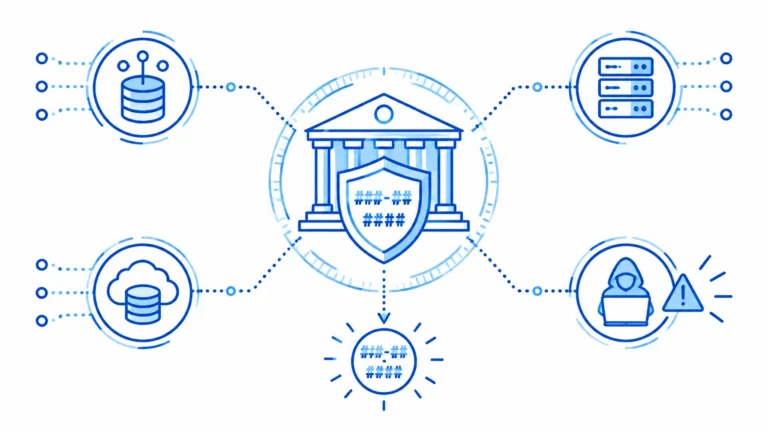
Every employer maintains information that could be valuable to an attacker. Human Resources systems, payroll platforms, benefits records, tax documents, and employee files often contain the exact information criminals need to commit fraud.
Even organizations with strong cybersecurity controls can become victims of data breaches, vendor compromises, phishing attacks, or other incidents that expose sensitive information. When that happens, employees often bear the long-term consequences.
The Employee Impact Extends Beyond Financial Loss
When people think about identity theft, they often focus on money. While financial losses can certainly occur, the broader impact is often much greater.
Victims of tax identity theft may experience delayed refunds, legal expenses, lost time, administrative burdens, and ongoing uncertainty regarding their financial records. Many spend years attempting to resolve issues with tax authorities and other institutions. The process can be frustrating, stressful, and emotionally exhausting.
Financial stress rarely remains isolated from the workplace. Employees dealing with identity theft often spend time making phone calls, gathering documentation, meeting with advisors, and navigating complex resolution processes. Productivity may decline, absenteeism may increase, and workplace engagement often suffers.
For employers, these consequences create costs that rarely appear on a financial statement but are felt throughout the organization.
Why This Is Becoming an Employer Issue
Historically, tax identity theft was viewed as a personal problem. That perspective is beginning to change.
Organizations increasingly recognize that employee well-being directly affects business performance. This recognition has fueled investments in wellness programs, mental health resources, financial education, and employee support services.
Tax identity theft belongs in the same conversation.
When employees become victims, employers frequently become involved. Human Resources teams may need to assist with employment verification requests. Payroll departments may need to investigate wage reporting discrepancies. Managers may need to accommodate employees who are dealing with lengthy resolution processes.
The result is that what begins as an individual issue often becomes an organizational issue as well.
Employers have spent years building benefit programs designed to support employees through life’s challenges. Tax identity theft represents another challenge that deserves attention.
The Limitations of Traditional Identity Protection
Many employers already provide identity protection benefits. These programs can offer significant value by helping employees monitor credit activity, identify financial fraud, and access restoration services.
These protections remain important.
However, many identity protection solutions focus primarily on:
• Credit monitoring
• Financial account monitoring
• Dark web monitoring
• Identity restoration
These services address important risks, but they may not provide meaningful visibility into taxpayer activity or IRS-related fraud.
This distinction matters because tax identity theft often occurs outside the systems traditional identity protection services were designed to monitor.
As a result, employers may believe they are providing comprehensive identity protection when a significant gap still exists.
The Next Evolution of Employee Protection
Benefit programs continue to evolve as employee expectations change. Over the years, employers have expanded beyond traditional healthcare and retirement offerings to address broader aspects of employee well-being.
Examples include:
• Mental health support
• Financial wellness programs
• Employee assistance programs
• Student loan assistance
• Legal services
• Identity protection
The next evolution may involve protecting employees from tax-related identity fraud.
As awareness grows, employers have an opportunity to offer a benefit that addresses a risk many employees do not fully understand until they become victims. This creates value not only because it helps protect employees, but also because it demonstrates a commitment to supporting employees through emerging challenges.
Organizations that proactively address these risks may strengthen employee trust, improve retention, and enhance their overall benefits strategy.
Questions Every Employer Should Be Asking
As organizations evaluate their employee benefits and workforce protection programs, several questions deserve consideration.
If employee Social Security Numbers were exposed, how would employees know if tax fraud occurred?
Do existing identity protection benefits address tax-related fraud?
What support is available if an employee becomes a victim of tax identity theft?
Are employee wellness initiatives addressing the full range of financial risks employees face today?
Could a more comprehensive protection strategy improve employee satisfaction and retention?
The answers to these questions may reveal opportunities to strengthen existing benefits programs while addressing a growing area of risk.
The Bottom Line
Employers have made tremendous progress in supporting employee well-being. Healthcare benefits, retirement programs, financial wellness initiatives, and identity protection services all play important roles in helping employees navigate an increasingly complex world.
Tax identity theft represents a growing threat that many employees do not fully understand and many employers have not yet addressed. As cybercriminals continue to target Social Security Numbers and personal information, organizations may need to broaden their definition of employee protection.
Traditional identity protection helps address financial identity risks. Tax identity protection helps address taxpayer identity risks. Together, they create a more complete approach to workforce protection.
For employers looking to enhance their benefits strategy, differentiate themselves in the talent market, and better support employee well-being, the question is no longer whether tax identity theft is a real risk.
The question is whether employees are adequately protected from it.
Frequently Asked Questions
What is tax identity theft?
Tax identity theft occurs when a criminal uses another person’s Social Security Number or taxpayer information to commit tax-related fraud, such as filing a fraudulent tax return or stealing a tax refund.
Why should employers care about tax identity theft?
Tax identity theft can create financial stress, productivity loss, absenteeism, and administrative burdens that affect both employees and employers.
Isn’t credit monitoring enough?
Credit monitoring helps identify credit-related fraud, but many forms of tax identity theft occur outside the credit reporting system and may not trigger any credit bureau alerts.
How does tax identity theft affect employees?
Victims may experience delayed refunds, legal expenses, compliance issues, administrative burdens, and lengthy resolution processes involving tax authorities.
What industries face the greatest risk?
Any organization that collects and stores employee Social Security Numbers can be affected. Employers in healthcare, manufacturing, financial services, education, government, and professional services often maintain significant amounts of sensitive employee information.
How does Tax Guardian differ from traditional identity protection?
Traditional identity protection focuses primarily on credit and financial identity. Tax Guardian focuses on IRS Identity Theft Monitoring & Protection, helping identify taxpayer-related fraud that traditional monitoring services may not detect.
Can Tax Guardian be offered as an employee benefit?
Yes. Tax Guardian can be offered as an employer-sponsored benefit or as a voluntary benefit through existing benefits programs.