
LIMITED TIME OFFER: 3 MONTHS FREE
Quick Review: A Social Security number can spread through data brokers, people-search sites, employers, payroll vendors, aggregators, and breach-related resale networks. Exposure cannot always be undone, but data-broker opt-outs, credit freezes, an IRS IP PIN, and direct IRS activity monitoring can reduce the impact.
A New Channel for Evaluating Tax Identity Protection
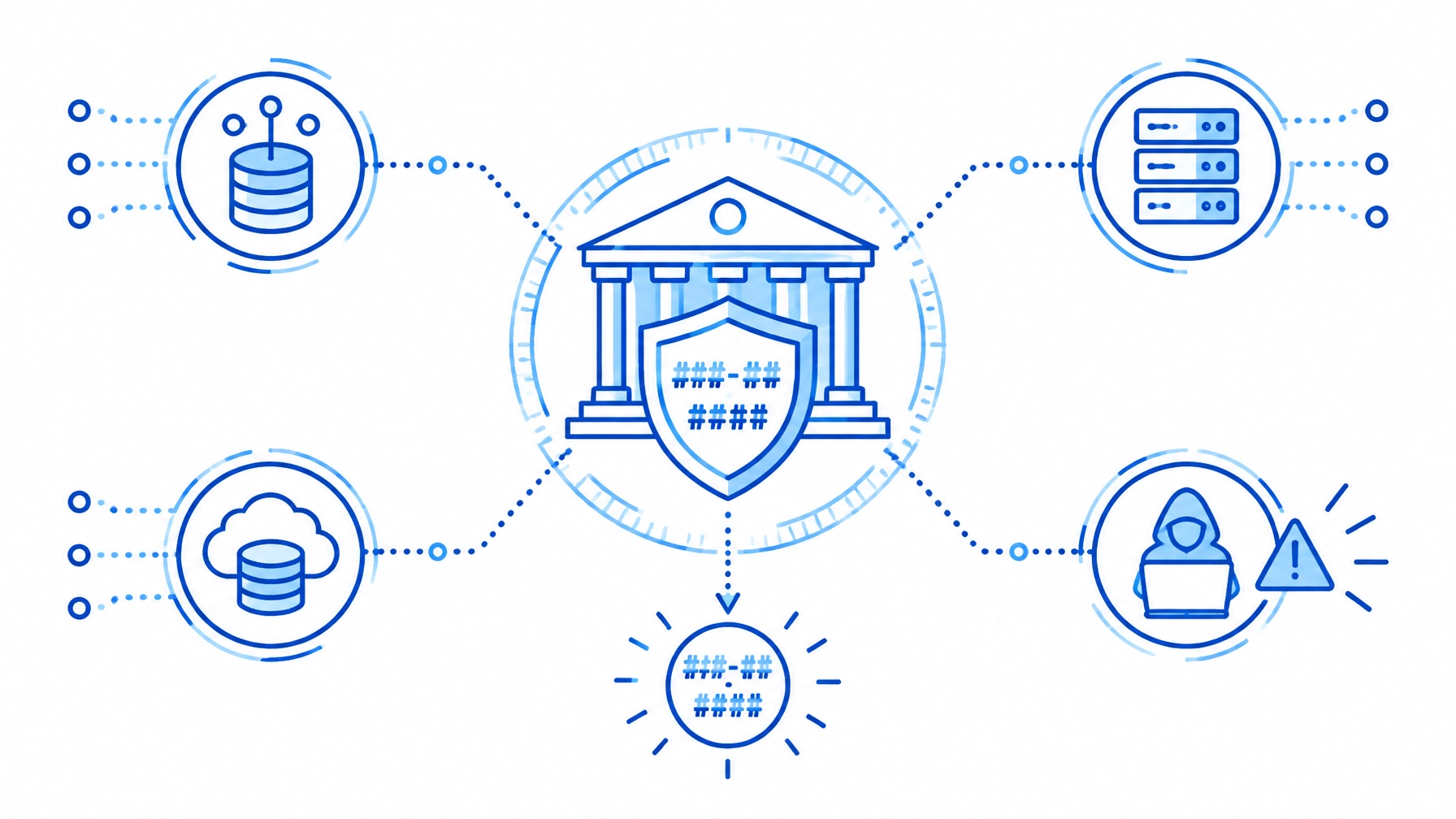
When people ask, “Who is selling my Social Security number?” the answer is rarely a single identifiable company. A Social Security number may be collected for a legitimate purpose, copied into another system, exposed in a breach, combined with other records, and eventually resold or misused by someone outside the original transaction.
That distinction matters. An employer may collect an SSN for payroll without selling it. A people-search site may compile information from multiple sources without having obtained the SSN directly. A criminal may then acquire information through a breach and circulate it through underground resale channels.
The result is a chain of exposure that can turn an SSN into more than a credit risk. It can become a tax problem involving false returns, stolen refunds, unauthorized wages, or unfamiliar IRS account activity.
How a Social Security Number Enters the Data Economy
A data broker is a company that collects, combines, analyzes, or sells information about individuals. Some data brokers operate through legitimate commercial relationships, while others have faced enforcement action for selling sensitive information to buyers without a valid need.
The information may originate in one system and become more valuable when combined with data from other sources. An SSN linked to a name, address, employer, date of birth, or income record can create a detailed identity profile.
Several channels commonly contribute to this process.
People-search sites and public-record aggregators
People-search sites, also called people-finder sites, are a type of data broker. According to the Federal Trade Commission, these companies may:
- Buy information from other data brokers
- Collect publicly visible social-media information
- Compile federal, state, and local public records
- Build reports containing addresses, relatives, employment history, and other identifying details
- Sell those reports to customers who pay for access
Not every people-search report contains a full Social Security number. However, people-search records can help connect an SSN or other identifier to the correct person. That linkage may make an exposed SSN more useful to a fraudster.
The FTC also explains that opting out does not erase public records. Information may reappear when records change, and a person’s information may continue to appear in reports about relatives, neighbors, or associates.
Employer HR and payroll systems
Employers generally collect Social Security numbers for legitimate reasons, including:
- Payroll processing
- Form W-2 reporting
- Tax withholding
- Benefits administration
- Employment verification
- Compliance with federal and state requirements
That collection does not mean an employer is selling employee information. The risk often appears farther down the supply chain.
An employer may use a payroll processor, benefits administrator, human-resources platform, background-screening provider, accountant, or other contractor. Each service provider may receive access to some employee information. If a system is misconfigured, accessed without authorization, or breached, the SSN can leave the original employer’s controlled environment.
The Government Accountability Office has examined the risks created when contractors receive access to Social Security numbers for functions such as data processing and customer service. The concern is not limited to intentional sales. Unauthorized access, weak controls, excessive permissions, and poor data retention can also create exposure.
Third-party aggregators and identity profiles
Third-party aggregators combine information from multiple sources. One company may have a name and address, another may have employment information, and a separate company may hold financial or tax-related records. An aggregator can join those records into a more complete profile.
This process is sometimes described as identity resolution, meaning the effort to determine that records from different sources belong to the same person. Once records are connected, a fraudster may have enough information to impersonate the individual in a tax, employment, banking, or benefits transaction.
The more systems that share or retain the same identifier, the more opportunities exist for accidental disclosure or unauthorized access.
Data breaches and criminal resale
A data breach is the intentional or unintentional release or theft of protected information. Breaches can affect employers, payroll companies, lenders, health insurers, tax professionals, government agencies, and technology vendors.
The organization involved may not have sold the information. In many cases, criminals steal the data first and then sell or exchange it through other networks. A breach notification may identify the organization that lost control of the information, but it usually cannot identify every later recipient.
The FTC has previously taken action against data brokers accused of obtaining hundreds of thousands of loan applications containing names, addresses, employers, SSNs, and bank-account information, then selling much of that information to entities that did not have a legitimate need. Such enforcement cases demonstrate that sensitive-information resale is a documented risk, even though they do not prove that a particular company currently possesses or sells any individual’s SSN.

Why an Exposed SSN Becomes an IRS Identity-Theft Problem
Credit fraud is often associated with unauthorized loans, credit cards, or other new accounts. Tax identity theft follows a different path.
A criminal who has an SSN and enough supporting information may attempt to:
- File a fraudulent federal tax return
- Claim a refund
- Submit false W-2 or 1099 information
- Use the SSN for unauthorized employment
- Create an income discrepancy in IRS records
- Trigger a delayed or rejected legitimate return
The IRS explains that tax risk is greatest when a breach includes both an SSN and financial or wage information. A breach involving only a payment-card number may be serious, but it does not automatically create a tax-account threat.
Employment-related misuse can also become a tax issue. If someone uses another person’s SSN to obtain a job, wages may be reported under the victim’s tax record. The victim may later receive an unfamiliar W-2 or 1099, an IRS notice, or an alert about income that was never earned.
A warning sign does not always prove fraud. An unfamiliar income document could reflect a reporting error, a duplicate record, or an employer mistake. The information should be verified before a taxpayer changes a return or contacts an alleged payer.
What to Do When Exposure Cannot Be Undone
Once an SSN has been exposed, the practical objective is not to make the number disappear. It is to reduce additional exposure, add barriers to misuse, and watch the systems where fraud may appear.
1. Opt out of people-search sites
The FTC recommends searching people-search sites and submitting opt-out requests individually. The process is generally free, although it can be time-consuming.
A person should:
- Search for their name, address, or phone number.
- Locate the site’s official opt-out or removal process.
- Follow the identity-verification instructions carefully.
- Record the request and completion date.
- Recheck periodically because information may reappear.
Opting out can reduce commercial visibility, but it does not erase government records or prevent criminals from using information they already obtained.
2. Freeze credit reports
A credit freeze restricts prospective creditors from accessing a credit file. The Consumer Financial Protection Bureau confirms that freezes are free through Equifax, Experian, and TransUnion.
A freeze can help limit new-account fraud, but it does not monitor IRS activity, stop unauthorized employment, or remove an SSN from circulation. It should be treated as one layer of identity protection rather than a complete tax-security solution.
3. Request an IRS IP PIN
An Identity Protection PIN, or IP PIN, is a six-digit number known to the taxpayer and the IRS. The IRS states that an IP PIN helps prevent someone else from filing a federal tax return using the taxpayer’s SSN or ITIN.
Eligible taxpayers can request an IP PIN through an IRS Online Account. The number is generally valid for one calendar year and must be entered when filing applicable federal returns.
An IP PIN helps protect the filing process. It does not remove an exposed SSN, prevent credit fraud, or stop employment-related misuse.
4. Monitor IRS activity directly
Taxpayers should create or review an IRS Online Account and examine available tax records, notices, transcripts, and wage information. The IRS recommends monitoring tax, Social Security, credit, and financial accounts for unusual activity.
Direct IRS visibility may reveal warning signs such as:
- A rejected return because a return was already filed
- An unfamiliar W-2 or 1099
- Unexpected changes to an IRS account
- An unrecognized notice
- Income that does not match personal records
- A suspicious refund or filing event
If fraud is suspected, taxpayers should follow the IRS’s instructions, keep copies of correspondence, and use the IRS identity-theft guide for individuals. Taxpayers should also consider reporting identity theft through IdentityTheft.gov.
Where Tax Guardian Fits
Tax Guardian does not prevent tax identity theft, erase exposed Social Security numbers, or replace the IRS, a tax professional, or law enforcement. Its role is more specific: Tax Guardian continuously monitors IRS accounts for suspicious activity and provides alerts when eligible account activity may require attention.
Depending on the plan, members may also receive recovery support and other services. Tax Guardian is designed to complement, rather than replace, credit freezes, IRS IP PINs, secure accounts, and data-broker opt-outs.
For taxpayers who want visibility into the tax systems where SSN misuse can appear, Tax Guardian’s consumer protection options provide an IRS-focused layer of monitoring.
Frequently Asked Questions
Can I find out exactly who is selling my Social Security number?
Usually, no. There is no public tool that traces one individual SSN through every broker, buyer, breach, or criminal marketplace. The most accurate approach is to identify known exposure sources, complete appropriate opt-outs, secure credit and IRS accounts, and monitor for misuse.
Do people-search sites always sell Social Security numbers?
Not necessarily. People-search sites often sell reports containing names, addresses, relatives, and employment information. Those records may help connect an SSN to the correct person, but the FTC does not say that every people-search site sells full SSNs.
Does a data breach automatically cause IRS identity theft?
No. The IRS states that not every data breach leads to identity theft, and not every identity theft incident is tax-related. Tax risk is higher when a breach includes both an SSN and financial or wage information.
Does a credit freeze protect a tax refund?
A credit freeze helps restrict access to credit files and can reduce new-account fraud. It does not directly monitor tax returns, IRS transcripts, refund activity, or wage reporting. An IRS IP PIN and direct IRS monitoring address different risks.
Turning Exposure Into a More Manageable Risk
A Social Security number is difficult to replace, and exposure may continue long after the original breach or transaction. The most useful response is a layered one: reduce commercial exposure, freeze credit, request an IRS IP PIN, review IRS and Social Security records, and respond quickly to unfamiliar tax activity.
The central question is not always which company currently has the number. It is whether the taxpayer has enough visibility to recognize when that number is being used in the tax system.
For official guidance, review the IRS data-breach information for taxpayers, the IRS Identity Protection PIN program, and the Federal Trade Commission’s people-search guidance.
Disclaimer: Tax Guardian Software Solutions provides access to legal services offered by the Tax Guardian Network. None of the above corporate entities, nor its officers, employees, or sales associates directly or indirectly provide legal services, representation, or advice. Any forms provided are not legal advice and should not be construed as such. You should consult with a lawyer to confirm the form meets your needs. Use of this website and the services is subject to Tax Guardian Software Solutions terms of service and data protection addendum.
© 2025–2026 Tax Guardian. America’s First Tax Identity Protection Suite™.







