LIMITED-TIME OFFER: GET 90 DAYS FREE WITH CODE 3 MONTHS FREE
Quick Review: An e-file rejection saying a Social Security number was already used can signal tax identity theft, but it does not always mean the taxpayer’s own SSN was used. Check the full rejection message and code, distinguish a duplicate return from a name or SSN mismatch, and do not repeatedly retransmit an unchanged return. If the taxpayer’s own return appears to have been filed by someone else, follow IRS instructions, document the rejection, and file a signed paper return with Form 14039 when appropriate.
A New Channel for Evaluating Tax Identity Protection
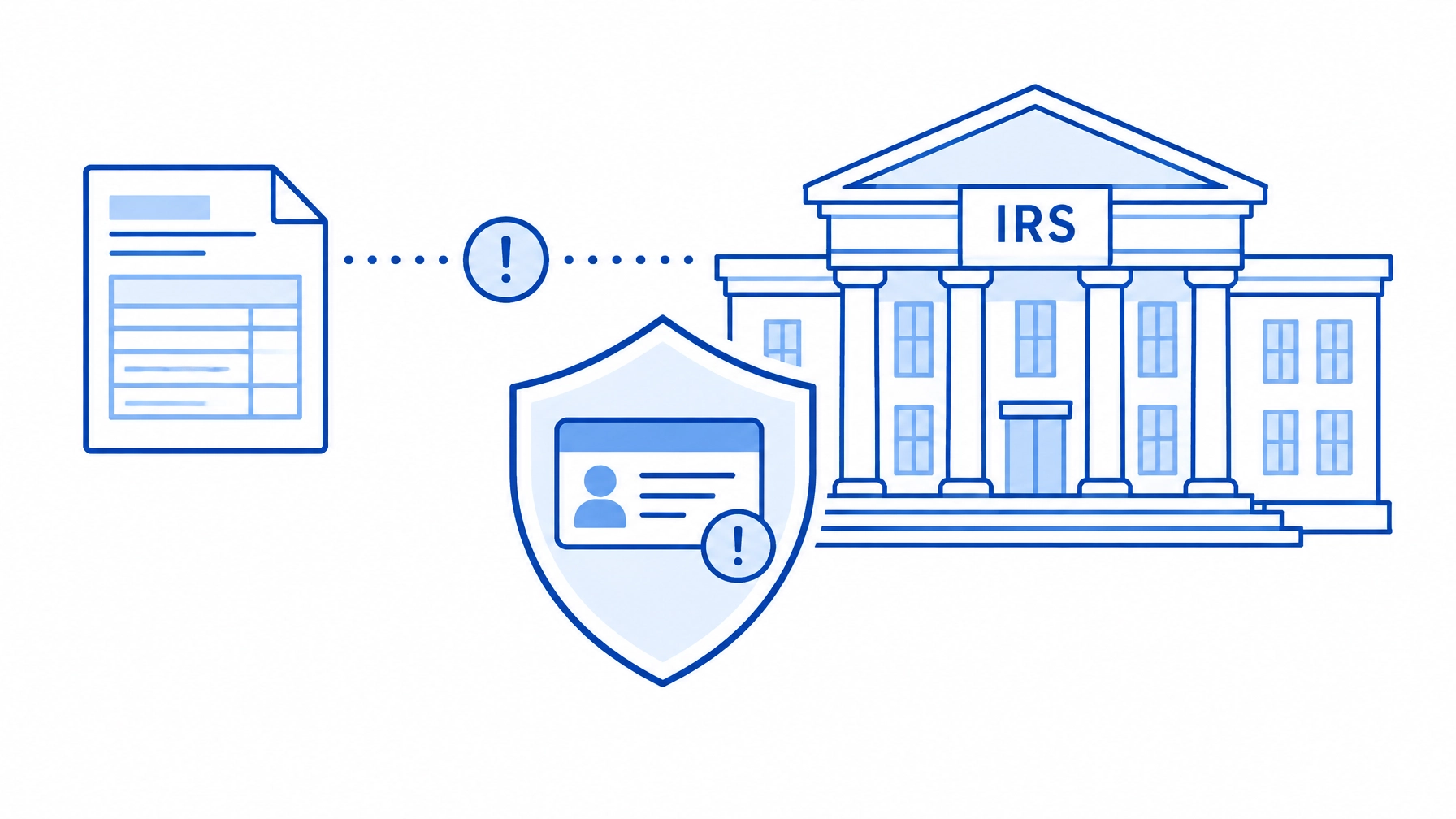
A rejected tax return can be stressful, especially when the message suggests that the IRS already has a return associated with a taxpayer’s Social Security number. It may be a data-entry problem, a duplicate submission, or an early sign that someone used the taxpayer’s identity to file first.
The full rejection notice matters. Several e-file codes refer to different problems, and a code that mentions an SSN does not, by itself, confirm tax identity theft.
What “SSN Already Used” Can Mean
An e-file rejection means the IRS did not accept the submitted return for processing in its current form. The rejection message should identify the issue and may provide a code, but software descriptions can vary. Read the complete message rather than relying on a short label or a code viewed out of context.
Examples of distinct rejection issues include:
- Duplicate primary taxpayer return: The rejection says that a return using the primary taxpayer’s or spouse’s SSN has already been filed or accepted for that tax year. If neither taxpayer filed or authorized that return, identity theft is a concern.
- IND-507: The IRS uses this code when a dependent’s SSN has already been used on another accepted return for the same tax year. It is not, by itself, evidence that the primary taxpayer’s SSN was used.
- R0000-500-01: This code indicates that the primary taxpayer’s name and SSN do not match IRS records. It is a mismatch error, not a duplicate-return finding. Check the SSN and the spelling and format of the name.
- IND-181-01: This code concerns a missing or invalid Identity Protection PIN (IP PIN), not a duplicate return. Retrieve and enter the correct current-year PIN if the taxpayer has one.
For a duplicate primary taxpayer return, software may display a code such as IND-452, IND-515-01, or R0000-902-01, depending on the filing scenario and software. The exact wording in the IRS rejection acknowledgement is more useful than the code alone. The IRS also advises taxpayers whose rejection says that they or their spouse have already filed to contact the IRS.
Why a Rejection Can Be an Early Warning
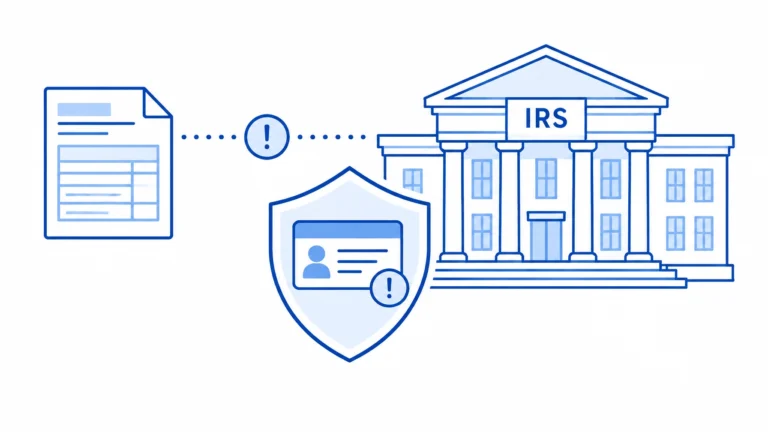
Tax identity theft occurs when someone uses another person’s identifying information to file a tax return or create other unauthorized tax records. A duplicate-return rejection can be one of the first signs a taxpayer sees because it appears at the moment they attempt to submit their legitimate return.
Still, not every rejection is fraud. A return may be rejected because a taxpayer or preparer entered an SSN incorrectly, filed the same return twice, or misunderstood who was authorized to file. For a dependent rejection, there may also be a disagreement about who is eligible to claim that dependent.
Before deciding what happened, check that the taxpayer’s return was not already accepted through a prior submission, a spouse, or an authorized preparer. If no one authorized the other filing, preserve the rejection notice and follow the IRS identity-theft guidance.
What to Do Immediately
A measured response can help keep the legitimate return moving through the correct process. These steps are a practical starting point, but the IRS notice and current filing instructions control.
- Save the full rejection message. Keep the rejection acknowledgement, date and time, software message, and any confirmation number. Do not rely on a screenshot of only the code if the complete message is available.
- Check for correctable errors. Confirm the taxpayer’s name, SSN, spouse information, and dependent details. If the issue is a simple typo or a name and SSN mismatch, correct the return and retransmit it.
- Do not blindly resubmit an unchanged return. Repeatedly sending the same rejected return will not resolve a duplicate filing or identity-verification issue. If the rejection concerns a missing or incorrect IP PIN, address that specific problem first.
- Contact the IRS when the rejection says the taxpayer or spouse already filed. The IRS lists 800-829-1040 for questions about this kind of rejection. Use current contact details and hours listed on IRS.gov.
- Follow the appropriate paper-filing process if identity theft is suspected. If the taxpayer did not file or authorize the accepted return, the IRS and Taxpayer Advocate Service guidance may call for a signed paper return and a completed Form 14039, Identity Theft Affidavit. Follow instructions for the taxpayer’s situation, including any IRS identity-verification letter.
A taxpayer who receives a letter such as 5071C, 4883C, or 5747C should follow the instructions in that letter. The IRS says taxpayers using its Identity and Tax Return Verification Service should not also file Form 14039 for that same verification process.
Filing a Paper Return and Form 14039
When IRS guidance directs a taxpayer to file a paper return after an e-file rejection, the IRS says the return must generally be postmarked by the later of the filing due date, including extensions, or 10 calendar days after the IRS notifies the taxpayer of the rejection. The instructions also call for a signed return, a copy of the rejection notification, an explanation if filing after the due date, and a brief history of corrective steps, when applicable.
The IRS instructs taxpayers to write “Rejected Electronic Return – (Date)” in red at the top of the first page. Follow the current instructions and mailing address for the taxpayer’s situation. Keep a complete copy of the return package and proof of mailing.
Form 14039 is not required in every tax identity concern. The IRS says most people do not need to file it, including people who have received certain identity-verification letters or are using the IRS verification service. Do not send duplicate affidavits. If unsure which process applies, use the IRS’s current guidance or consult a qualified tax professional.
What Happens to the Legitimate Return and Refund?
When a competing return is under review, the IRS may need to determine which filing belongs to the taxpayer and correct the account records. The legitimate return may not be processed as quickly as a return accepted without an identity issue, and an expected refund can be delayed while the IRS reviews the case.
The IRS may request identity verification or supporting information. Respond promptly to official requests and keep copies of correspondence. Processing times vary, so taxpayers should avoid relying on a single estimated timeframe. The IRS provides processing information and will contact taxpayers when additional action is needed.
Steps to Protect Tax Records Going Forward
An IP PIN is a six-digit number used by the IRS to verify identity when filing certain federal returns. Taxpayers who can verify their identity may request one through an IRS Online Account. The PIN is updated each calendar year, so the current number must be retrieved and entered correctly when filing.
For a rejection involving a dependent’s SSN, the IRS says eligible taxpayers filing 2024-and-later returns may be able to e-file with a valid current-year IP PIN belonging to the primary taxpayer. That is a different situation from a duplicate primary taxpayer return. Check the current IRS guidance before choosing whether to correct and e-file or submit a paper return.
It can also help to limit unnecessary SSN sharing, secure IRS and email accounts with unique passwords, use multi-factor authentication where available, and review IRS correspondence and tax records for unfamiliar activity. These steps do not guarantee that identity theft will not occur, but they can support a more informed response.
Where Tax Guardian Fits
The IRS handles identity verification, investigations, and corrections to federal tax records. Tax Guardian is a private service, not a replacement for IRS procedures or professional tax advice.
Depending on the plan, Tax Guardian monitors IRS accounts and transcripts for suspicious activity, sends alerts, and offers recovery support for eligible plans. That monitoring can provide visibility into IRS-related activity, while the taxpayer follows the IRS’s instructions for a rejected return or suspected identity theft.
Turning a Rejection Into a Clear Next Step
A rejection involving an SSN deserves attention, but the exact code and message determine what it means. Check for errors first, distinguish a dependent rejection from a duplicate primary return, and use official IRS instructions rather than repeatedly resubmitting without changes.
Key Findings
- A duplicate-return rejection can be an early sign of tax identity theft, but it is not proof on its own.
- IND-507 concerns a dependent’s SSN, while R0000-500-01 indicates a name and SSN mismatch.
- If the rejection says the taxpayer or spouse already filed, contact the IRS and document the rejection.
- Paper filing and Form 14039 may be appropriate when identity theft is suspected, but some IRS verification processes specifically instruct taxpayers not to file the affidavit.
- A duplicate filing review can delay processing of the legitimate return and any expected refund.
Frequently Asked Questions
Does an e-file rejection mean someone stole my identity?
Not necessarily. A typo, duplicate submission, dependent-claim issue, or name and SSN mismatch can also cause a rejection. If the full rejection message says that the taxpayer or spouse already filed and neither authorized that return, follow IRS identity-theft guidance.
What should I do if my own SSN was already used on a return?
Save the rejection notice, check that the return was not previously filed by you or an authorized person, and contact the IRS using its official contact information. If you did not file or authorize the other return, follow the IRS instructions for submitting your legitimate return and Form 14039, when applicable.
Should I keep trying to e-file my return?
Do not repeatedly send the same return without addressing the stated problem. Correct a verified data-entry error and retransmit. For a duplicate-return rejection, contact the IRS and follow instructions on paper filing or identity verification.
Can an IP PIN help after a duplicate-return rejection?
It depends on which SSN is involved and which rejection occurred. An IP PIN may resolve certain dependent duplicate-claim rejections for eligible returns, but it is not a universal fix for a duplicate primary taxpayer return. Follow the IRS instructions for the specific code and circumstances.
SEO Metadata
- Title tag: E-Filed Return Rejected: SSN Already Used? IRS Codes and Next Steps
- Meta description: Learn what an IRS e-file rejection for an SSN already used may mean, how to distinguish key codes, and when to contact the IRS or file Form 14039.
- Primary keyword: identity theft tax return
- Secondary keyword: protect my social security number
IRS sources: IRS e-file rejection guidance, IRS Identity Theft Central guide for individuals, IND-507, R0000-500-01, and How IRS identity theft victim assistance works.
Disclaimer: Tax Guardian Software Solutions provides access to legal services offered by the Tax Guardian Network. None of the above corporate entities, nor its officers, employees, or sales associates directly or indirectly provide legal services, representation, or advice. Any forms provided are not legal advice and should not be construed as such. You should consult with a lawyer to confirm the form meets your needs. Use of this website and the services is subject to Tax Guardian Software Solutions terms of service and data protection addendum.
© 2025-2026 Tax Guardian. America’s First Tax Identity Protection Suite™.