
Why the hardest part of resolving an IRS issue is rarely the resolution itself, and how the next wave of Tax Guardian tools is built around that gap
Ask anyone who has gone through an IRS resolution process what the hardest part was, and the answer is rarely the underlying tax issue. It’s usually everything around it: locating the right document at the right moment, not knowing whether a case has actually moved since the last update, and waiting on an advisor without a clear sense of when a response will come.
None of that is a flaw in the resolution process itself. It’s a byproduct of how much of that process has traditionally happened outside the client’s view — in email threads, in phone calls, in files scattered across whatever system a given advisor happens to use. The tax issue gets resolved eventually, but the client experience along the way is often the part that feels the most out of control.
That gap is the starting point for the next set of tools and features coming to Tax Guardian. Rather than changing what resolution work actually involves, these updates are aimed at the parts of the process clients have historically had the least visibility into.
Where the Current Process Breaks Down
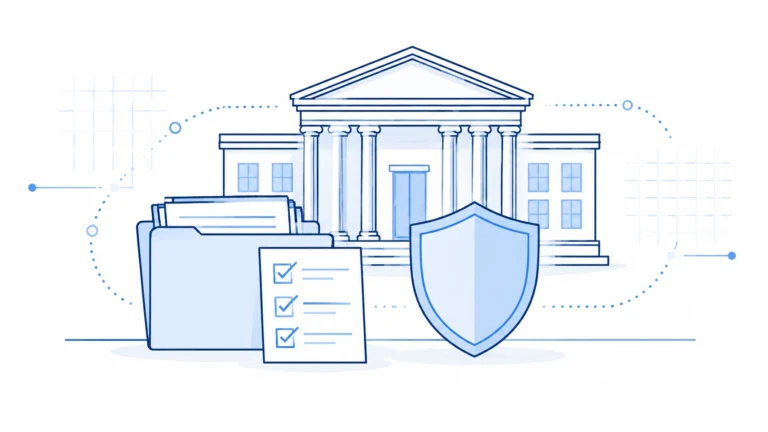
IRS documentation is the first place this shows up. Resolving a tax issue typically requires assembling a specific set of forms, transcripts, and supporting records, and under the current process, keeping track of what’s been gathered, what’s still needed, and where each document actually lives falls largely on the client. It’s not that any single piece of this is complicated — it’s that there’s no single place to see it all at once, which makes an already unfamiliar process feel more disorganized than it needs to.
Case status is the second recurring pain point. Once a resolution case is underway, clients are often left waiting for updates rather than able to check progress on their own terms. Deadlines and required actions can surface with little advance notice, and without a way to track where things stand independently, clients end up relying entirely on their advisor to flag what matters and when.
Communication is the third. Getting a question answered quickly shouldn’t depend on catching an advisor between other calls, but for many clients, that’s effectively what happens. The result is a process where clients feel like passengers in their own resolution, checking in rather than checking status, and asking rather than already knowing.
What’s Being Built to Address It
The tools currently in development at Tax Guardian are organized around those three gaps directly.
On the documentation side, the goal is a single, organized place for the forms and records tied to a resolution case — replacing scattered files and email attachments with something a client can actually navigate on their own, and reducing the chance that a needed document is missing or hard to locate when it’s actually needed.
On the tracking side, the aim is to give clients direct visibility into where their case actually stands, rather than requiring them to ask. That means status information they can check on their own schedule, along with reminders ahead of deadlines or required actions, instead of finding out about a deadline only once it’s close.
On the communication side, the focus is a more direct, more responsive connection to an assigned advisor — reducing the friction between having a question and getting it answered, so that clients aren’t left guessing about what a case update actually means or what happens next.
The Principle Behind the Updates
What ties these three areas together isn’t a single feature so much as a shift in who holds the information during a resolution case. Historically, the advisor has been the default source of truth — the person a client has to go through to find out what’s happening. These updates are built around shifting more of that visibility directly to the client, so that staying informed doesn’t require a phone call every time.
That doesn’t change the underlying work of resolving a tax issue, which still depends on accurate documentation, IRS timelines, and the specifics of each case. What it changes is how much of that process a client can see and understand on their own, without treating every status question as something that has to go through someone else first.
What Clients Can Expect
As these tools roll out, Tax Guardian clients will get early access along with support to help them make use of the new features as they become available. The rollout is being staged deliberately, with an emphasis on making sure each new tool is genuinely useful before it reaches clients broadly, rather than releasing features on a fixed timeline regardless of readiness.
The Bottom Line
Most of the frustration clients experience during an IRS resolution case isn’t caused by the resolution itself — it’s caused by not being able to see what’s happening while it’s underway. The next set of Tax Guardian tools is built specifically around that gap: organizing documentation in one place, giving clients direct visibility into case status, and making it easier to reach an advisor when a question comes up.
The underlying work of resolving a tax issue hasn’t changed. What’s changing is how much of that process clients can see, track, and understand without having to ask.
Frequently Asked Questions
What kinds of tools is Tax Guardian introducing?
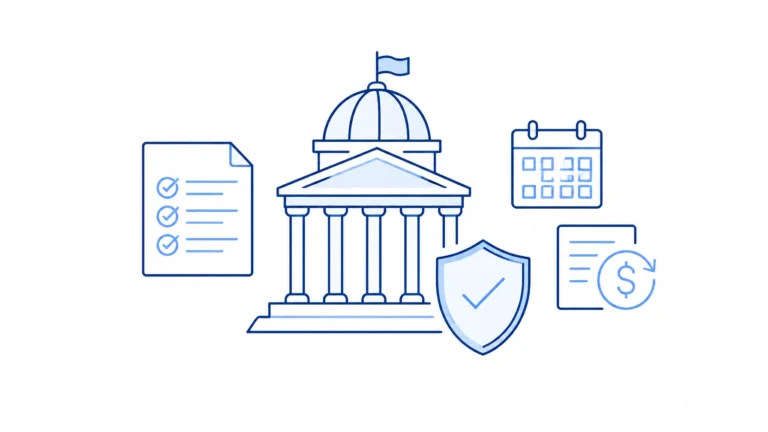
The upcoming tools focus on three areas: organizing IRS documentation in one place, giving clients direct visibility into the status of their resolution case, and improving communication with an assigned advisor.
Why is Tax Guardian focused on documentation specifically?
Resolving a tax issue typically requires gathering a specific set of forms, transcripts, and supporting records. Keeping track of what’s been gathered and what’s still needed has traditionally fallen largely on the client, which is a common source of friction during the resolution process.
Will I be able to check the status of my case myself?
Yes. The account tracking tools are designed to give clients direct visibility into where their case stands, along with reminders ahead of important deadlines or required actions, rather than requiring a check-in with an advisor for a status update.
How will communication with my advisor change?
The client-advisor communication portal is being refined to make it easier and faster to reach an assigned advisor and get questions answered, reducing the friction involved in getting a timely response.
When will these features be available?
The tools are being rolled out in stages, with existing Tax Guardian clients receiving early access as each feature becomes available, along with support to help them get the most out of it.
Do I need to do anything to get access to the new features?
Existing clients will be given access as features roll out, along with guidance on how to use them. No separate action is required to be eligible for early access.
Will these changes affect how my tax case is actually resolved?
The underlying resolution process, including document requirements and IRS timelines, remains the same. These updates are focused on visibility and communication throughout that process, not on changing how resolution itself works.
Is there a cost associated with the new features?
These tools are being introduced as part of the ongoing Tax Guardian service for existing clients rather than as a separate add-on purchase.
Who should I contact if I have questions about the new tools as they roll out?
Clients can reach out to their assigned Tax Guardian advisor directly for guidance on new features as they become available.