ACT NOW: EXPLORE TAX GUARDIAN’S IRS ACTIVITY MONITORING AND RECOVERY SUPPORT
Quick Review
- The IRS generally contacts taxpayers first by U.S. mail. It may send email or text messages if a taxpayer has opted in, but unsolicited messages demanding sensitive information or immediate payment are a warning sign.
- Caller ID can be spoofed, so a familiar-looking number does not prove a call is legitimate.
- Gift card or wire-transfer demands, threats of immediate arrest, and requests for account passwords or PINs are strong signs of a scam.
- If a message or call seems suspicious, do not use its links or callback number. Verify through IRS.gov and report the contact through the appropriate official channel.
A New Channel for Evaluating Tax Identity Protection
The period from November through January can bring tax-related messages that prey on uncertainty. Some people are waiting for a refund, reviewing a notice about a previous return, or handling correspondence after an extension. Scammers use those moments to make a fake call, text, email, or social media message seem timely and credible.
The important distinction is not whether a message mentions a real tax term. It is whether the sender’s identity and request can be verified independently. The IRS reported more than 600 social media impersonators during fiscal year 2025, and its 2026 scam guidance warns about impersonation by phone, email, text, and direct message. That does not mean every taxpayer will encounter a scam, but it does make careful verification worthwhile.
Red Flags That Should End the Conversation
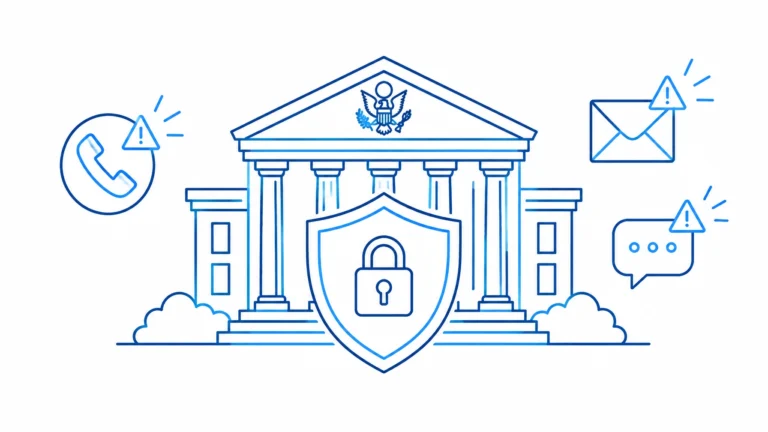
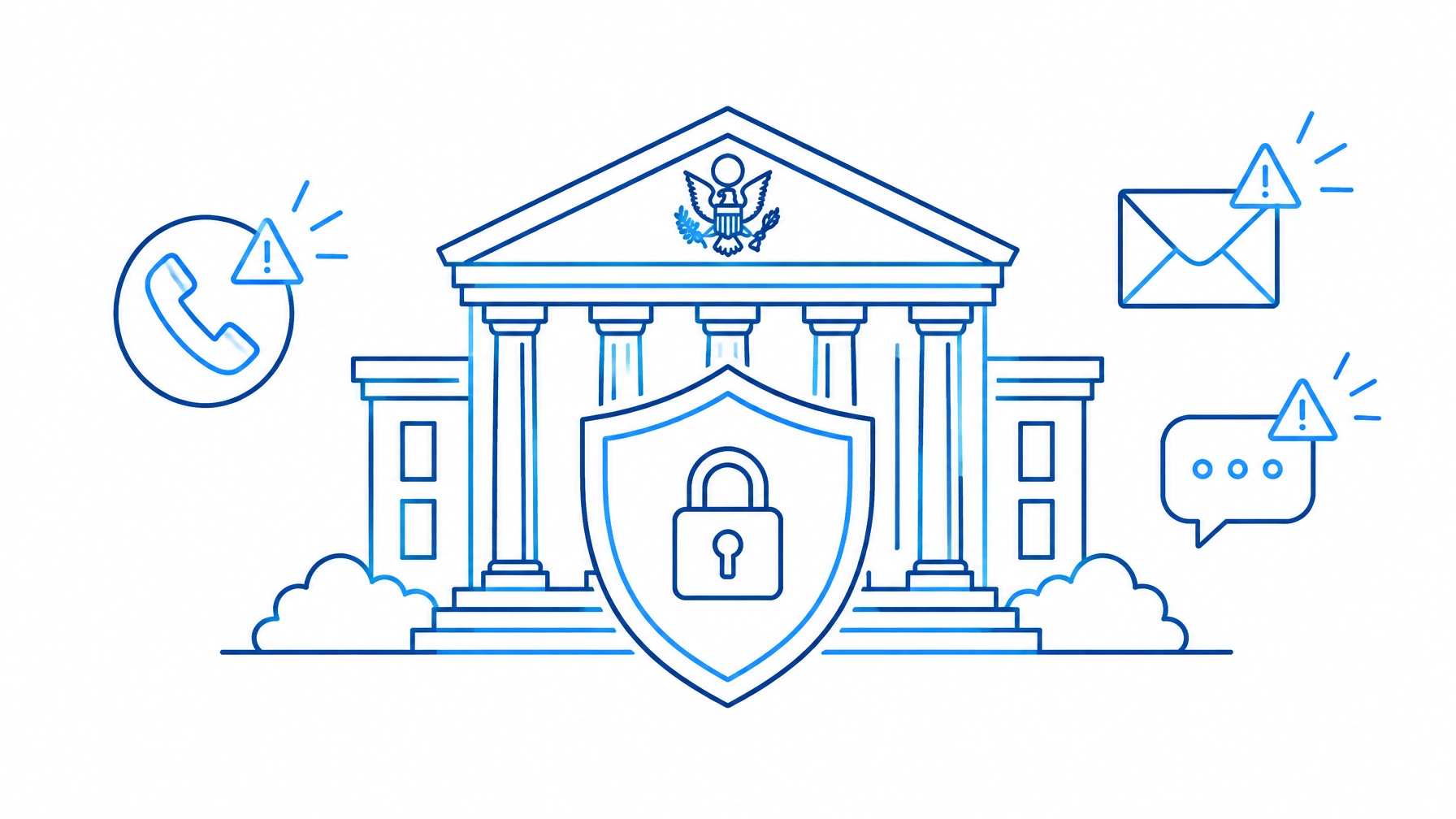
The IRS generally makes first contact by mail delivered through the U.S. Postal Service. It may email or text people who have opted in to specific communications, and it may call taxpayers about account matters in some circumstances. However, a message that unexpectedly demands personal or financial information, or threatens immediate consequences unless someone pays, should be treated with caution.
Watch for these warning signs:
- A demand for immediate payment. Scammers may insist that a tax bill must be paid during the call or within minutes.
- Gift cards, wire transfers, or other unusual payment methods. A caller asking for gift cards is not collecting a legitimate IRS payment.
- Threats of immediate arrest or deportation. An IRS impersonator may claim that law enforcement is on the way unless a payment is made.
- Requests for passwords, PINs, or sign-in codes. Do not share account credentials or a one-time verification code in response to an unexpected contact.
- Pressure to keep the conversation secret. A caller may tell someone not to speak to family, a tax professional, or a bank.
- A link or attachment meant to make you act quickly. A convincing logo or tax notice design does not prove that a message came from the IRS.
Caller ID is not reliable proof. Scammers can manipulate the number or name shown on a phone, so a display that appears official should not replace independent verification.

Seasonal Scams That Reuse Familiar Tax Language
Scammers often adapt their messages to the season and to a person’s expectations. During the November-to-January period, a refund, tax bill, or prior-year notice may provide a believable excuse to ask for information or money.
Fake refund deposits followed by a “return it” demand
A person may see an unexpected deposit and then receive a call claiming that the IRS sent it by mistake. The caller may demand that the money be returned through a gift card, wire transfer, or another payment method. Do not rely on the caller’s explanation. Check the relevant account and banking records independently, and contact the IRS using a published number if an IRS payment or notice is involved.
Fake CP2000 emails
A CP2000 notice is an IRS letter proposing changes when information reported by third parties does not match a tax return. A real CP2000 is generally mailed, not delivered as an unsolicited email attachment with a payment link.
If an email claims to include a CP2000, do not click the link or open the attachment. Check for the notice by logging in to your IRS Online Account directly or using the IRS website’s notice and letter resources.
Robocalls and fake agent visits
A prerecorded message may threaten a lawsuit, arrest, or immediate seizure of property and provide a number to call back. The IRS does not make threatening robocalls demanding immediate payment.
Actual in-person IRS visits are uncommon, and the IRS generally sends a letter before visiting. Some IRS personnel have specific duties that may involve contact or visits, so the right response is not to assume every official-looking person is a scammer. Do not pay a visitor or give them sensitive information just because they claim to be an agent. Verify their identity through the contact information on an IRS letter or through the IRS’s published guidance.
“Stimulus” or economic impact payment messages
Scammers may circulate messages promising a surprise stimulus, economic impact payment, or tax credit. They may ask recipients to “verify” their identity or bank information through a link. Treat unexpected refund or payment offers with skepticism, and check current information on IRS.gov rather than relying on a social media post, text, or email.
Safe Ways to Verify a Contact
A few deliberate habits can help taxpayers make a safer decision before sharing information or taking action:
- End an unexpected call. Do not rely on a caller ID, callback number, or instructions given by the caller.
- Find the correct number yourself. Use the number printed on a genuine IRS notice or visit IRS.gov to locate the relevant contact information. For general individual tax account questions, the IRS lists 800-829-1040. For tax-related identity theft assistance, the IRS Identity Protection Specialized Unit can be reached at 800-908-4490.
- Sign in directly. Type IRS.gov into a browser or use a trusted bookmark to access your IRS Online Account. Do not sign in through a link in an unexpected message.
- Check the account, not just the message. Review official notices and account information directly. A notification is a reason to verify, not proof that a caller or message is genuine.
- Keep a record of suspicious contact. Save the sender’s address, phone number, message, or other details if it is safe to do so. Do not reply, forward sensitive information, or open suspicious files.
Reporting Fake IRS Calls, Texts, Emails, and DMs
Use the reporting channel that fits the kind of contact:
- Impersonation calls: Report a caller pretending to be an IRS or Treasury employee to the Treasury Inspector General for Tax Administration (TIGTA). TIGTA’s hotline is 800-366-4484.
- Phishing emails: Forward suspicious IRS-related emails to phishing@irs.gov. The IRS explains how to forward the header of a phishing email.
- Texts and social media messages: Follow the IRS instructions for reporting fake IRS, Treasury, or tax-related messages.
- Fraud attempts affecting consumers: The Federal Trade Commission accepts reports of scams and fraud.
The phrase “IRS identity theft phone number” can refer to more than one kind of help. The IRS identity theft assistance number is 800-908-4490. A suspected IRS impersonation call should be reported to TIGTA at 800-366-4484. Use 800-829-1040 for general individual tax account questions. These are separate purposes, so callers should choose the number that matches their situation and verify it through an official website.
How Tax Guardian Fits Into Ongoing Account Awareness
Tax Guardian monitors IRS account activity for suspicious changes, provides alerts, and offers recovery support for eligible plans. That monitoring is separate from verifying whether an incoming call, text, or email is genuinely from the IRS. An alert is a notification to review activity, not a guarantee that no fraud occurred.
Taxpayers can learn more about Tax Guardian’s tax identity protection services. No monitoring service replaces careful verification or official IRS guidance.
Make Verification the First Step
A convincing scam may borrow real tax terms, refer to a genuine notice, or arrive when a taxpayer expects a refund. The safest response is to pause, avoid the links and payment instructions in the message, and verify through a channel found independently.
Frequently Asked Questions
What is the IRS identity theft phone number?
For tax-related identity theft assistance, the IRS Identity Protection Specialized Unit can be reached at 800-908-4490. For general individual tax account questions, call 800-829-1040. To report someone impersonating an IRS or Treasury employee, contact TIGTA at 800-366-4484.
Does the IRS contact taxpayers by text or email?
The IRS says it sends text messages and emails only when taxpayers opt in to specific communications. An unexpected message demanding sensitive information or immediate payment should not be treated as legitimate without independent verification.
Is a CP2000 notice sent by email?
A genuine CP2000 is generally mailed. If an unexpected email claims to include one, do not open its attachment or follow its payment link. Check your IRS Online Account or verify through IRS.gov.
Where should a suspicious IRS email be reported?
Forward a suspicious IRS-related email to phishing@irs.gov. For suspicious IRS calls, report the impersonation to TIGTA. For IRS-related texts and direct messages, follow the IRS reporting instructions.
SEO metadata
- Title tag: December IRS Scams: Spot Fake Calls, Texts, and Emails
- Meta description: Learn how to spot fake IRS calls, texts, emails, and DMs, verify contact safely, and report suspected tax impersonation scams.
- Focus keyword: irs identity theft phone number
- Related keyword: irs identity theft
IRS resources: How to know it’s the IRS | Recognize tax scams and fraud | TIGTA scam reporting
Disclaimer: This article is for general informational purposes only and does not constitute tax, legal, or financial advice. Contact the IRS using information obtained from official IRS sources, and consult a qualified professional about individual circumstances. Tax Guardian monitoring and recovery support vary by plan and do not guarantee that fraud will not occur or that a loss will be recovered.
© 2026 Tax Guardian. All rights reserved.