URGENT: REVIEW YOUR IRS RECORDS BEFORE YOUR NEXT MORTGAGE APPLICATION.
Quick Review: Mortgage lenders may use IRS tax transcripts to verify income during underwriting. If a transcript is unavailable or does not match the documents provided, the lender may need more information before it can approve the loan. Buyers can check their IRS records before applying, address unexplained discrepancies early, tell their lender about an existing identity theft issue, and ask whether an Identity Protection PIN is appropriate.
A New Channel for Evaluating Tax Identity Protection
Buying a home or refinancing often involves gathering financial records, meeting deadlines, and responding to lender requests. An IRS transcript issue can add uncertainty to an already time-sensitive process, especially when the buyer does not know what the transcript contains or why it differs from their records.
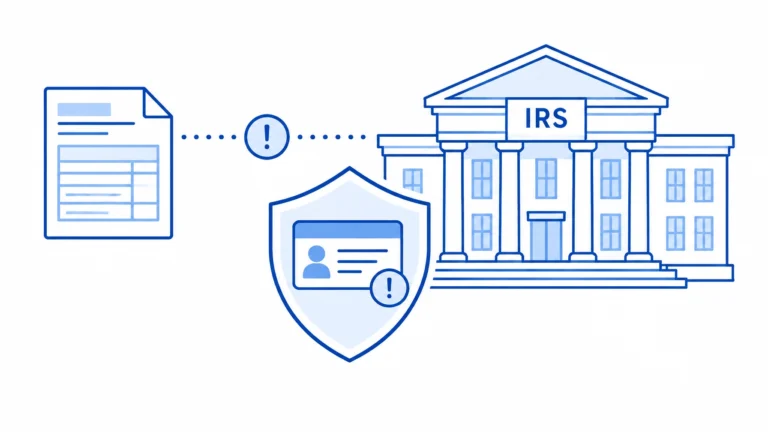
Tax identity theft occurs when someone uses another person’s identifying information in connection with tax filings or IRS accounts. A fraudulent return or other unauthorized account activity may create unfamiliar entries. The mortgage concern is that lenders may use tax information to verify income, and an unexplained discrepancy can require additional review.
A discrepancy does not automatically mean identity theft, and it does not automatically disqualify a borrower. But it is worth investigating before a lender is waiting for documentation to clear a condition or a closing date is approaching.
How Mortgage Lenders Use IRS Transcripts
Mortgage underwriting is the lender’s review of a borrower’s finances and other application details to assess whether a loan meets its requirements. Depending on the loan, lender, and income being considered, the lender may review tax returns, IRS transcripts, or other documentation.
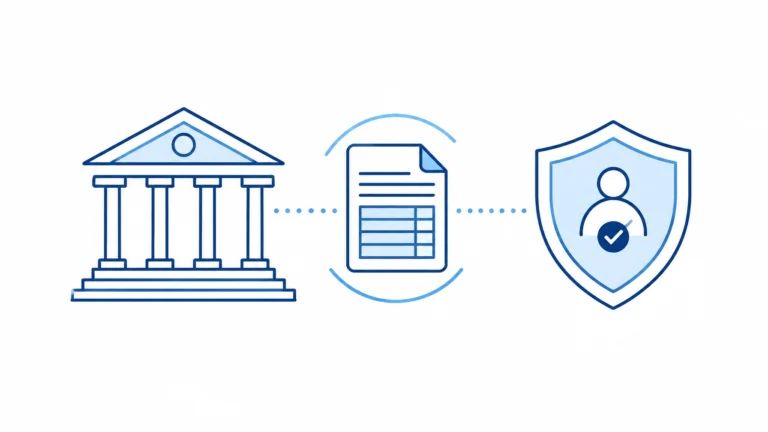
The IRS Income Verification Express Service (IVES) allows taxpayers to authorize lenders and other third parties to receive certain tax return or wage transcripts. The IRS says a lender can request records through an IRS account or by submitting Form 4506-C, IVES Request for Transcript of Tax Return.
Form 4506-C is an authorization for the IRS to release specified tax information to a listed third party. Before signing, review that the form is complete and that the taxpayer details, recipient, transcript types, and tax years are correct. The IRS cautions taxpayers not to sign the form until all applicable lines are completed.
A transcript is not necessarily a complete, unmasked copy of a tax return. The IRS explains that transcripts partially mask personal information while leaving financial entries visible for uses that include income verification.
What a Transcript Mismatch Can Mean During Underwriting
If a transcript contains income or filing details that do not match the borrower’s submitted records, the lender may ask for an explanation or additional documentation. A mismatch can have more than one cause, including an amended return, a processing or reporting issue, timing differences, or possible identity theft. It should be checked rather than assumed to be fraud.
A suspected identity theft issue can complicate verification. For example, IRS identity-related restrictions may affect whether certain records can be released directly to a lender. In some cases, a buyer may need to obtain their own transcript and ask the lender whether it can accept that record or other documentation. The lender determines what its process and loan requirements allow.

If the lender cannot obtain or verify the information it needs, it may pause part of the underwriting review while the borrower responds. That can put pressure on a rate-lock period or a purchase closing timeline. Depending on the facts, loan program, and available documentation, the lender may request more evidence, explore an acceptable alternative, or decide it cannot proceed. An IRS transcript discrepancy alone does not establish that any of these outcomes is inevitable.
Steps to Take Before Applying or Refinancing
Early preparation gives buyers more time to understand a discrepancy, contact the IRS, and coordinate with the lender. These steps can help streamline the document process:
-
Pull your IRS transcript before applying. Use the IRS Individual Online Account or review the IRS guidance on tax transcripts. Compare the relevant records with copies of filed returns, W-2s, 1099s, and other income documents.
-
Investigate unfamiliar information promptly. Keep copies of transcripts, IRS notices, filed returns, and communications with employers or payers. If you find information you cannot explain, contact the IRS through an official channel or consult a qualified tax professional. Tax Guardian’s guide on checking IRS transcripts for identity theft offers additional steps for reviewing records.
-
Tell your lender early about an existing issue. Contact your loan officer as soon as possible if you have an open tax identity theft case, an IRS account restriction, or a transcript that does not match your records. Ask what documents the underwriter needs, whether you can provide transcripts obtained from your own IRS account, and how to submit them securely.
-
Ask before signing Form 4506-C. Confirm the listed lender or other recipient, the requested tax years, and the transcript types. If something is missing or incorrect, ask for a corrected form rather than signing an incomplete authorization. IRS guidance explains how to review and approve or reject a transcript request.
-
Consider an IRS Identity Protection PIN. An IP PIN is a six-digit number the IRS issues to help verify a taxpayer’s identity when a federal tax return is filed. It is a tax-filing safeguard, not a mortgage document and not a fix for an existing transcript discrepancy. Learn about the program through the IRS Get an Identity Protection PIN page.
For self-employed borrowers, people with amended returns, and applicants whose income depends on business or investment records, questions about which forms or transcripts are needed can be especially important. Requirements vary. Ask the lender what it will accept for the specific loan rather than assuming a single transcript or document will satisfy every request.
Findings for Homebuyers and Refinancing Applicants
- Tax transcripts may be part of mortgage income verification. Lenders may request them as part of their underwriting process.
- Form 4506-C authorizes a transcript release. Check that it is complete and accurate before signing.
- A mismatch needs context. It may have several explanations, including an IRS processing issue or identity theft.
- A discrepancy can add time to underwriting. Its effect depends on the lender, loan program, and documentation available.
- Early communication matters. Reviewing records and telling the lender about a known issue gives both parties more time to discuss next steps.
Frequently Asked Questions
Can tax identity theft automatically stop a mortgage approval?
No. A tax identity theft issue or transcript discrepancy does not automatically mean a mortgage will be denied. The lender will assess the information, the borrower’s documentation, and the applicable loan requirements. The issue may still delay review if additional explanation or verification is needed.
What should a buyer do if the IRS transcript does not match their tax return?
Save the transcript and compare it with the filed return and supporting records. If the mismatch remains unexplained, contact the IRS through an official channel or consult a qualified tax professional. Tell the lender early and ask what documentation it requires.
Does Form 4506-C give a lender access to every IRS record?
No. Form 4506-C requests specified transcript information for listed tax periods and identifies the third parties that will receive it. Review the form carefully before signing. The IRS explains the IVES process for taxpayers.
Will an IP PIN resolve an existing transcript problem?
An IP PIN helps the IRS verify identity when a federal tax return is filed. It does not correct an existing transcript, resolve an IRS account restriction, or replace documents a mortgage lender requests. Follow the IRS’s instructions for the tax issue and ask the lender how to handle its verification requirements.
Keep IRS Record Questions From Becoming Closing-Day Surprises
Homebuyers and refinancing applicants do not need to interpret every IRS record alone. Reviewing transcripts before applying, documenting unexplained activity, and communicating with the lender early can make it easier to respond to underwriting questions while there is still time to clarify the record.
Tax Guardian monitors IRS accounts and transcripts for suspicious activity, provides alerts, and offers recovery support for eligible plans. It does not prevent tax identity theft or replace the IRS, a mortgage lender, or a qualified tax professional. Learn more about Tax Guardian’s individual protection options.
Yoast SEO metadata
- Title tag: Tax Identity Theft and Mortgage Approval: IRS Transcript Guide
- Meta description: Learn how IRS transcript mismatches related to tax identity theft can affect mortgage underwriting, Form 4506-C requests, and closing timelines.
- Focus keyword: irs transcript monitoring
- Secondary keyword: tax identity theft
IRS sources: Income Verification Express Service for taxpayers | About tax transcripts | Form 4506-C | Identity Protection PIN
Disclaimer: This article is for general informational purposes only and is not tax, legal, or mortgage advice. Tax Guardian Software Solutions provides access to legal services offered by the Tax Guardian Network. None of the above corporate entities, nor its officers, employees, or sales associates, directly or indirectly provide legal services, representation, or advice. Any forms provided are not legal advice and should not be construed as such. Consult a qualified professional about your specific circumstances. Use of this website and its services is subject to Tax Guardian Software Solutions’ terms of service and data protection addendum.
© 2025-2026 Tax Guardian. America’s First Tax Identity Protection Suite™.