
LIMITED-TIME OFFER: VISIT TAX GUARDIAN TO CHECK CURRENT FREE-TRIAL TERMS.
Quick Review
IRS transcripts show what the agency has processed or received on a tax account. For small businesses, checking the right business and employment-tax records can help surface unrecognized filings, payment discrepancies, or account changes. Transcript reviews work best alongside payroll reconciliation and notice monitoring. They can help owners investigate issues sooner, but they cannot guarantee that every discrepancy will appear before an IRS notice.
A New Channel for Evaluating Tax Identity Protection
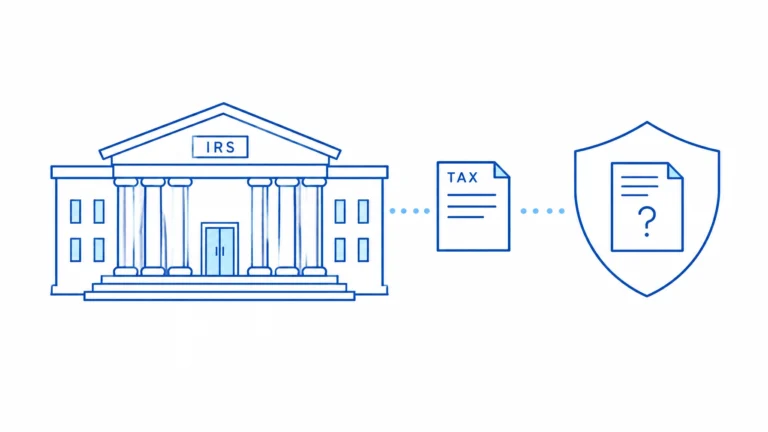
Small-business owners already keep an eye on cash flow, payroll, vendor payments, and tax deadlines. IRS records can be another useful part of that routine. An IRS transcript is a summary of information associated with a tax account, including filed-return details, payments, and account activity. It is not a copy of a filed return, and it may not update as soon as a business submits a payment or return.
That timing matters. A change may be visible in IRS records before a related notice reaches the business, but transcript availability and processing times vary. IRS transcript monitoring gives owners a practical way to review what the IRS has recorded, investigate unfamiliar activity, and reduce the risk of an avoidable tax surprise.
This is different from credit monitoring. Credit reports can help reveal certain financial identity events, but they do not provide a view of IRS account activity. Tax identity theft, payroll reporting issues, and processing discrepancies require attention to tax records as well.
Why IRS transcripts matter to small businesses
A small-business tax issue can involve more than one account. A business may have an EIN account for employment or business income taxes, while its owner files an individual return under an SSN or ITIN. A sole proprietor may report business activity on an individual return, while a corporation files a separate return. The correct transcript depends on the entity, tax form, and issue being reviewed.
For instance, a payroll deposit that does not appear as expected may warrant a review of the business tax account and employment-tax records. A mismatch involving a 1099 issued to an owner may instead relate to that person’s Wage and Income transcript and individual return. A single transcript is not a complete view of every business and personal tax matter.
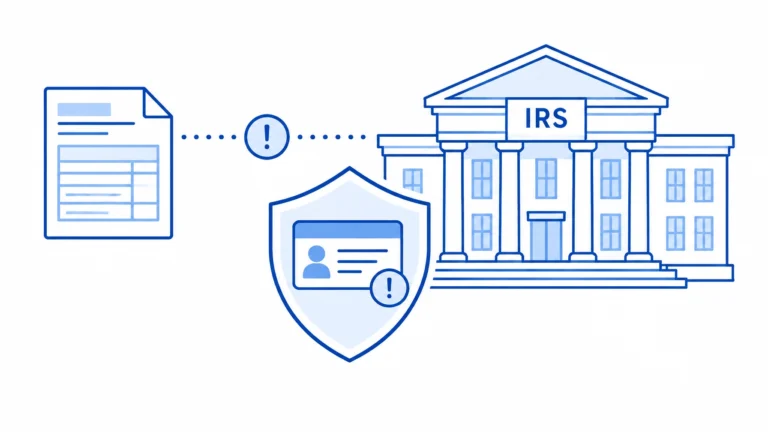
Possible consequences of unresolved discrepancies include an unexpected balance due, penalties and interest, time-consuming payroll disputes, or time diverted from daily operations. A CP2000 notice, for example, proposes an adjustment when information reported by third parties does not match an individual’s tax return. It is not necessarily a final bill, and its underlying income mismatch may require reviewing the relevant individual records, not only the company’s EIN transcript.
Which transcripts should a business owner review?
The IRS provides different transcript types for different purposes. Business owners should first identify the tax account and return involved, then select the corresponding records.
- Business account transcript: Shows account activity such as payments, deposits, penalties, interest, and balance information for applicable business tax accounts.
- Business tax return transcript: Shows information from a filed business return. It can help confirm what the IRS has processed, but it is not a complete copy of the return.
- Record of account transcript: Combines return and account information for applicable tax periods.
- Employment-tax return transcript: For eligible years and forms, this can provide information from employment-tax returns such as Forms 941 or 940. Compare it with payroll reports, filed forms, and payment confirmations.
- Wage and Income transcript: Shows information returns the IRS has received for an individual, such as W-2s and 1099s. It is generally tied to a person’s SSN or ITIN, not a complete EIN-level list of the business’s information returns.
For business-level transcript access and current eligibility details, see the IRS guide to getting a business tax transcript and its Business Tax Account information. Access options and available features depend on business type and the user’s authority. A tax professional may need appropriate authorization to access records on the business’s behalf.
What changes should owners look for?
A transcript entry is not automatically evidence of fraud or an IRS error. Returns may take time to process, and some changes reflect routine adjustments. The useful question is whether the IRS record matches the business’s own documents and expected activity.
During a review, compare transcripts with bookkeeping, payroll records, filed returns, bank statements, and tax-payment confirmations. Pay particular attention to:
- Unrecognized filings or account changes, including activity for a period the business believes it has not filed for.
- Payment differences, such as deposits or estimated payments that do not match receipts and bank records.
- Unexpected penalties, interest, or balances that the business cannot explain from its own records.
- Payroll discrepancies, including differences between employment-tax information, payroll reports, and W-2 totals.
- Unfamiliar wage or 1099 information on the owner’s personal Wage and Income transcript.
- Processing or filing details that do not align with the business’s records.
When information does not match, preserve a copy of the transcript and supporting records. Contact the IRS using independently verified contact information, and consult a qualified tax professional when the issue involves a proposed adjustment, a filing deadline, or a potentially incorrect tax balance.
Build transcript reviews into a practical routine
There is no universal IRS rule requiring small businesses to check transcripts on a particular schedule. A sensible cadence depends on the business’s filing frequency, payroll activity, and capacity to review records. A monthly or quarterly check of relevant account activity can help make transcript review a repeatable task rather than a last-minute response to a notice.
A practical routine might include:
- Confirm the accounts and tax forms involved. List the business entity’s federal filing obligations, employment-tax forms, and any owner-level returns that report business income.
- Choose an appropriate review cadence. Coordinate transcript checks with payroll and tax-payment reconciliation, then review again after important filings are processed.
- Compare records, not just balances. Match transcript entries against filed returns, payroll reports, payment receipts, and bookkeeping.
- Investigate unexpected entries promptly. Save the transcript, identify the tax period and transaction, and ask a tax professional or the IRS for help when needed.
- Track follow-up. Record dates, notices, calls, and documents shared so the business can manage the issue without repeatedly reconstructing its history.
A transcript is a record of what the IRS has processed or received, not a live view of every transaction. It should supplement, not replace, timely tax filings, internal controls, payroll reconciliation, and attention to IRS correspondence.
Key findings for small-business owners
- IRS transcripts can provide an early view of certain account changes, but processing delays mean not every issue will appear before a notice.
- Businesses may need to check both EIN-related business records and an owner’s individual transcripts, depending on the issue.
- Employment-tax discrepancies, unfamiliar wage information, and payment differences should be compared against original payroll and accounting records.
- Regular review can help owners identify questions sooner and reduce the risk of an unexpected tax bill, but it cannot guarantee that tax problems will be avoided.
Where Tax Guardian fits into the monitoring routine
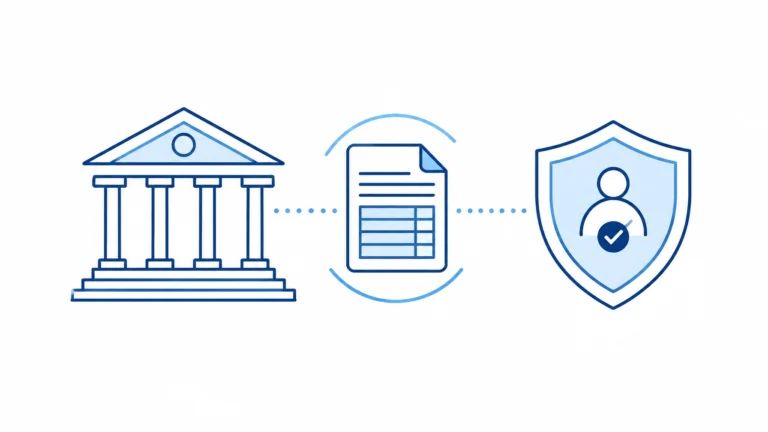
Owners can review eligible IRS records through IRS tools and work with a tax professional. For a separate layer of tax identity monitoring, Tax Guardian continuously monitors IRS accounts and transcripts for suspicious activity associated with an enrolled identity. Its AI-powered threat detection looks for potential SSN misuse, with alerts sent by text or email when suspicious activity is detected.
Tax Guardian is not a substitute for reviewing a business’s EIN-level tax account, reconciling payroll, or getting tax advice. Availability and coverage can depend on the account, enrollment, and plan. Recovery support is available on eligible plans. For details about available services, visit Tax Guardian’s consumer information.
Make transcript reviews part of the business rhythm
Tax records can feel like a task to revisit only when a letter arrives. A scheduled review of relevant IRS transcripts gives small-business owners another way to compare the IRS’s records with their own and investigate unexplained changes. Paired with sound payroll and bookkeeping practices, IRS transcript monitoring can help owners catch certain issues early and reduce the risk of unexpected tax bills.
Frequently Asked Questions
How often should a small business check IRS transcripts?
There is no single required schedule for all businesses. Monthly or quarterly checks may fit businesses with regular payroll or frequent federal tax deposits. Owners should also review relevant records after filing or when reconciling a payment or notice.
Which transcript is most useful for payroll issues?
The business’s account transcript and any available employment-tax return transcript are relevant starting points for payroll-tax account activity. Compare them with payroll reports, filed Forms 941 or 940, and payment confirmations. The right records depend on the tax period and issue.
Can an owner’s Wage and Income transcript show every 1099 connected to the business?
No. A Wage and Income transcript reflects information returns the IRS has received for an individual taxpayer. It is not a complete EIN-level ledger of forms issued or received by the business, and current-year information may be incomplete while reporting is processed.
Does a transcript change mean the business owes tax?
Not necessarily. A transcript records IRS activity, which may include routine processing, a payment, an adjustment, or an amount due. Compare the entry with the business’s records and seek qualified tax advice if the change is unexplained or involves a notice or deadline.
SEO metadata
Yoast title tag: IRS Transcript Monitoring for Small Businesses | Tax Guardian
Meta description: Learn which IRS transcripts small businesses should review, what changes to look for, and how monitoring can help catch discrepancies early.
Focus keyword: irs transcript monitoring
IRS source: Get a business tax transcript
Disclaimer: This article is for informational purposes only and is not tax, legal, or accounting advice. Tax requirements and transcript availability vary by entity and circumstance. Consult a qualified tax professional or legal adviser about a specific situation. Tax Guardian’s services and recovery support are subject to applicable terms, eligibility, and plan coverage.
© 2026 Tax Guardian. All rights reserved.