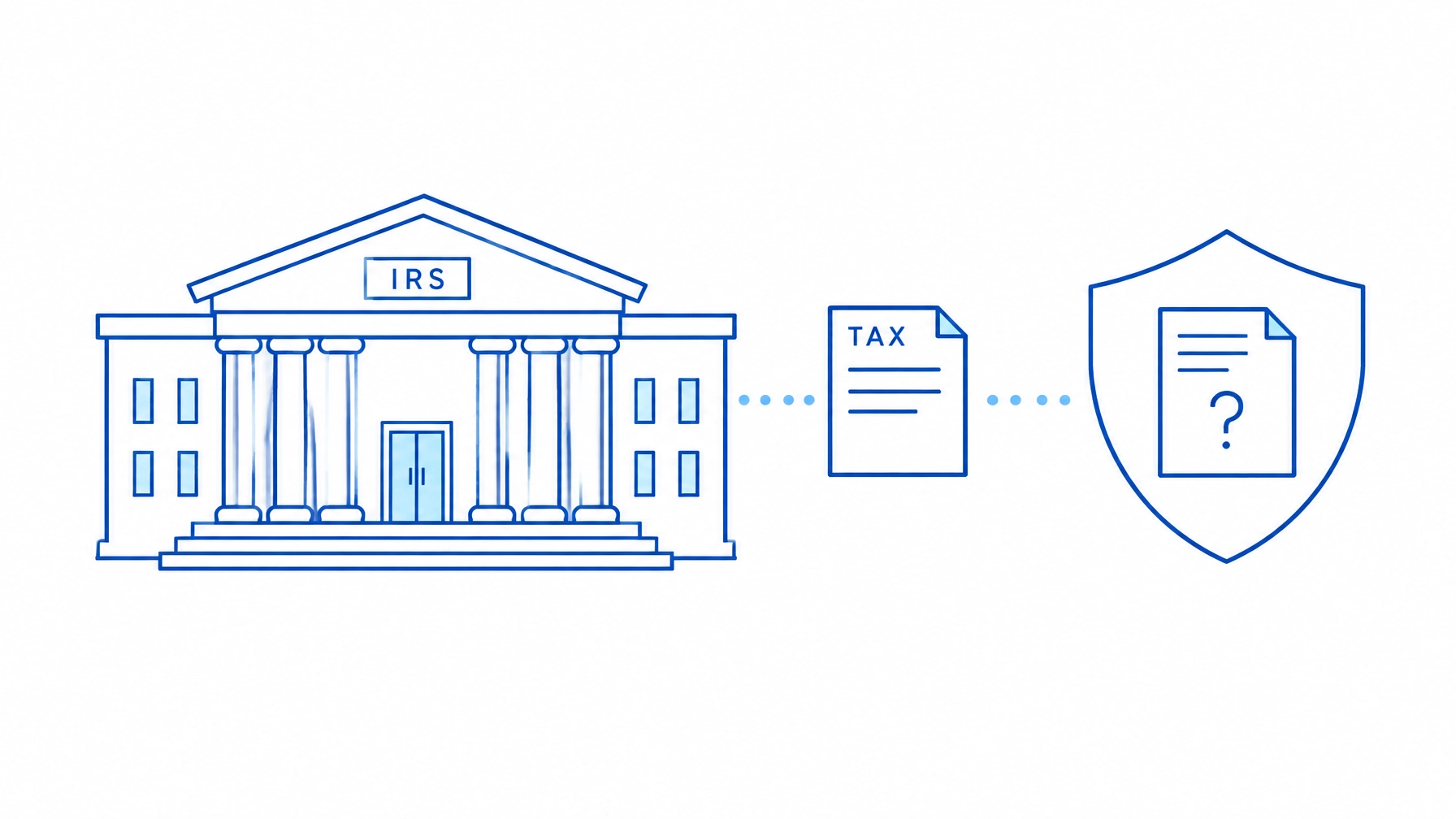
Quick Review: An IRS refund for a return you never filed and a balance-due notice tied to a return you do not recognize can be two signs of the same problem: someone may have used your identity to file a tax return. Do not spend an unexpected refund or pay a disputed balance before checking your IRS account and following the instructions on any notice. Save the documents, contact the IRS through an official channel, and submit Form 14039 only when appropriate or directed.
A New Channel for Evaluating Tax Identity Protection
An unfamiliar IRS payment can feel like welcome news, while a balance-due notice can be alarming. But when either one relates to a tax return you did not file, neither should be treated as a routine payment or bill until the facts are checked.
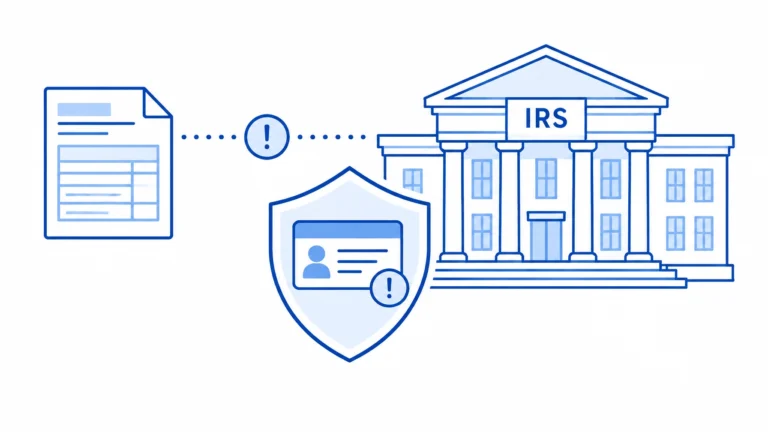
IRS identity theft occurs when someone uses another person’s identifying information to commit tax-related fraud, such as filing a federal return in that person’s name. The return may claim a refund, or it may report income and other details that lead the IRS to calculate a balance due. The two outcomes look different, but both may point to unauthorized activity on a tax account.
The first task is to establish what the IRS recorded. Then the taxpayer can respond to the specific situation without spending money that may need to be returned or paying an amount that may not be owed.
How the Two Warning Signs Connect
A fraudulent filer may submit a return using a taxpayer’s name and Social Security number, but with different income, withholding, filing status, dependents, or refund information. If the return results in a refund, the IRS may send or deposit money. If it reports income or other details that create a tax liability, the IRS may later send a balance-due notice.
An identity theft tax return is a return filed using another person’s identifying information without authorization. A notice or account entry can be an important clue, but it does not prove by itself that identity theft occurred. Processing errors, a notice sent in error, or an unfamiliar but legitimate tax adjustment are also possible. Comparing IRS records with personal records helps clarify what happened.

If the IRS Sends or Deposits a Refund You Did Not Claim
Treat an unexpected refund associated with a return you did not file as money that may not belong to you. If the IRS confirms that the payment came from a fraudulent return filed in your name, the refund is not yours to keep. The IRS may reverse the payment or require the money to be returned. Spending it can leave you without the funds when the IRS seeks repayment and can complicate the resolution of the identity theft case.
Take these steps:
- Do not spend or move the money. Keep it separate in your account while you verify the payment and get official return instructions.
- Check your IRS Online Account and transcripts. Look for a return, refund, or account activity for the tax year in question. Use IRS.gov to access your account rather than links in unexpected emails or text messages.
- Contact the IRS using an official channel. If you received a notice, follow its instructions and use the contact information on the notice after verifying it on IRS.gov. Explain that you did not file the return connected to the payment.
- Ask how to return the funds, if required. Do not guess at a repayment method or send money to an address or account supplied in an unsolicited message. Follow the IRS’s official directions and keep proof of any returned payment.
- Keep records. Save the notice, account transcript, payment details, and notes from calls, including dates and the names or identifying details of representatives.
If the payment arrived as a paper check, do not cash it while the return is being investigated. Contact the IRS for instructions about handling or returning it.
If the IRS Says You Owe a Balance You Do Not Recognize
A balance due can stem from income or other entries on a return the taxpayer never submitted. A thief may report wages or other income under the victim’s Social Security number, and the IRS may use that information in calculating a tax liability. A notice may also reflect a separate issue, so the amount should be investigated rather than assumed to be fraudulent.
Respond promptly to the notice. Read it carefully, note the response deadline, and follow the directions for disputing or explaining the balance. If the notice relates to a return you did not file, state clearly that you suspect tax-related identity theft and did not submit that return. Do not ignore the notice, but do not pay an amount you believe comes from a fraudulent return without first raising the identity theft issue with the IRS.
Review the IRS Online Account and relevant transcripts for the tax year listed. Compare the information with your filed return, W-2s, 1099s, and other records. Keep copies of everything you send and proof of delivery or submission. If the notice instructs you to file a genuine return or provide other documentation, follow those instructions while explaining that the return or income in question is not yours.
A CP59 notice, for example, tells a taxpayer that the IRS has no record of a prior-year return. It is not the same as every balance-due notice. If you receive CP59 and did not file because someone else may have filed using your information, follow that notice’s instructions and explain the situation. The IRS says taxpayers who disagree with CP59 may use Form 15103 or the options described in the notice. Other notices may have different response procedures.
Verify the Account and Contact the Right IRS Unit
Start with your IRS Online Account and transcripts. A tax transcript is a summary of information from an IRS tax account. The Tax Account Transcript can show payments, adjustments, and account activity; the Tax Return Transcript can show details from a filed return; and the Wage and Income Transcript can show income documents reported to the IRS.
Check for unfamiliar returns, refund entries, income documents, filing status, or account changes. Save copies of records that do not match your own documents. An unfamiliar entry may need clarification, so avoid concluding that fraud occurred based on a single item alone.
Contact the IRS Identity Protection Specialized Unit at 800-908-4490, or follow the instructions and contact number on the specific notice. Explain that a return or income information appears to be connected to your identity, but you did not file or receive it. Keep the notice and your records available. If a letter directs you to a different unit or a specific identity-verification process, follow the letter’s instructions.
When Form 14039 May Be Appropriate
Form 14039, Identity Theft Affidavit, allows a taxpayer to report certain tax-related identity theft situations to the IRS. The right process depends on how the issue came to light. The IRS may direct you to submit the form, and its instructions explain how to do so.
Do not automatically submit Form 14039 if the IRS has sent a letter asking you to verify a return. Some identity-verification letters have their own process and specifically instruct recipients not to file Form 14039. Follow the instructions for the notice you received, and ask the IRS which process applies if you are unsure.
When Form 14039 is appropriate or the IRS directs you to submit it:
- Complete the current version and describe the return or account activity you do not recognize.
- Include the relevant tax year and the notice number, if applicable.
- Follow the form’s submission instructions and include only the supporting documents requested.
- Keep a copy of the completed form and proof of submission.
- Do not send duplicate forms unless the IRS asks you to do so.
Findings to Keep in Mind
- An unfamiliar refund and an unexpected balance due can both be connected to an unauthorized tax return.
- If a refund is confirmed to have come from a fraudulent return, do not treat it as money you can keep or spend. Follow official IRS directions.
- A balance-due notice deserves a timely response, even when the taxpayer believes the amount is based on identity theft.
- IRS Online Account records and transcripts can help identify the return, income, refund, or adjustment at issue.
- Follow the specific notice’s instructions. Form 14039 is appropriate in some cases, but not every IRS identity-verification situation calls for it.
Frequently Asked Questions
Should an unexpected IRS refund be spent while it is being checked?
No. Keep the money available while you verify the return and contact the IRS. If the IRS confirms that the payment came from a return you did not file, follow its official instructions for returning the money.
What should I do if a balance-due notice is based on income I never earned?
Respond by the deadline using the notice’s instructions. Explain that you did not file the return or earn the income in question, check your IRS account and transcripts, and contact the IRS through an official channel. Do not ignore the notice, but do not assume the disputed amount is yours to pay.
Do I always need to file Form 14039?
No. The IRS may direct a taxpayer to file Form 14039, but some identity-verification letters have a separate process and may tell recipients not to submit it. Follow the instructions on the notice or confirm the correct process with the IRS.
What documents should I save?
Keep the IRS notice, relevant transcripts, copies of your filed returns and income documents, refund or payment records, and copies of forms you submit. A dated log of calls and actions can also help keep the case organized.
Treat Both Signals as One Tax Account Investigation
An unfamiliar refund and an unexpected tax bill call for the same first step: verify the activity before acting on the money or the amount due. Check the IRS account, compare records, follow notice deadlines, and keep a clear record of every communication. Taking those steps can help taxpayers respond in an organized way while the IRS reviews the account.
Tax Guardian monitors IRS accounts and transcripts for suspicious activity and provides alerts when activity warrants attention. Eligible plans also include recovery support. Monitoring does not prevent tax identity theft or replace IRS instructions, but it can help taxpayers maintain visibility into IRS account activity. Learn about Tax Guardian’s individual protection options.
Yoast SEO metadata
- Title tag: IRS Identity Theft: Unexpected Refund or Balance Due?
- Meta description: Got an IRS refund you did not claim or a balance you do not owe? Learn how to check transcripts, respond to notices, and report tax identity theft.
- Focus keyphrase: irs identity theft
IRS sources: IRS Identity Theft Central · How IRS identity theft victim assistance works · Understanding your CP59 notice · Get your tax records and transcripts · Form 14039
Disclaimer: Tax Guardian Software Solutions provides access to legal services offered by the Tax Guardian Network. None of the above corporate entities, nor its officers, employees, or sales associates, directly or indirectly provide legal services, representation, or advice. Any forms provided are not legal advice and should not be construed as such. You should consult with a lawyer to confirm the form meets your needs. Use of this website and the services is subject to Tax Guardian Software Solutions terms of service and data protection addendum.
© 2025-2026 Tax Guardian. America’s First Tax Identity Protection Suite™.