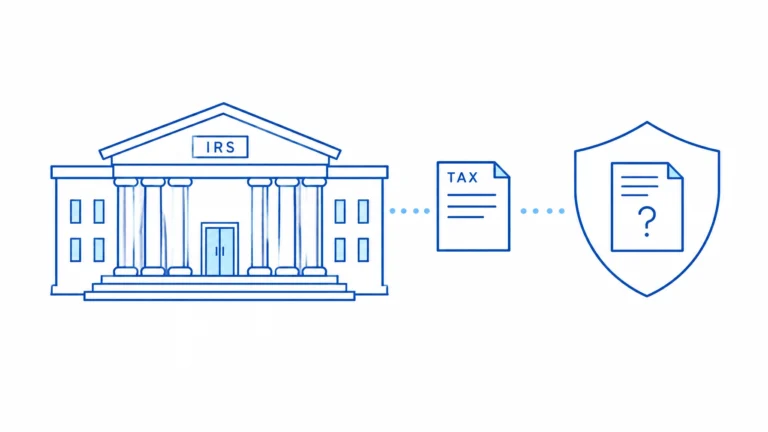
LIMITED-TIME OFFER: EXPLORE TAX GUARDIAN’S IRS MONITORING AND RECOVERY SUPPORT.
Quick Review
- Gig workers may share their Social Security number (SSN) with platforms, clients, payment processors, and tax professionals.
- More places holding tax information can mean more accounts and records to keep track of, but an unexpected form or IRS notice does not automatically prove fraud.
- Warning signs can include an unfamiliar 1099, income the worker did not earn, a rejected tax return, or an IRS notice about unreported income.
- Workers who file later or request an extension may have a longer period before their legitimate return reaches the IRS. An extension does not keep someone else from filing first.
- Verify unfamiliar tax information, contact the IRS using official channels when needed, and review IRS resources for response steps.
A New Channel for Evaluating Tax Identity Protection
For gig workers and freelancers, managing taxes can involve several platforms, multiple clients, and different types of payment records. Each new work relationship can mean sharing tax information, often through a Form W-9, the document a payer uses to request a taxpayer identification number and other details needed for tax reporting.
This creates a broader information footprint than many workers realize. Understanding where tax information goes, what suspicious activity can look like, and how to respond can help make tax identity concerns more manageable.
Why gig work can create a wider SSN footprint
A traditional employee may provide tax information to an employer and a tax preparer. An independent contractor may provide information to several clients, freelance marketplaces, rideshare or delivery platforms, and payment processors. Some services request information as part of onboarding, identity verification, or tax reporting.
A sole proprietor may use an SSN as a taxpayer identification number on a W-9. In some situations, a business may use an Employer Identification Number instead. Whether that option applies depends on the worker’s circumstances, so workers can check with a tax professional or the IRS before changing how they report their information.
The key issue is not that sharing a W-9 is inherently unsafe. Payers may need tax information to meet their reporting obligations. The challenge is keeping track of who requested the information, which accounts hold it, and whether a request or message is legitimate.
Payment apps and 1099-K forms
Form 1099-K reports certain payments received for goods or services through payment cards or third-party settlement organizations, such as payment apps and online marketplaces. An app or platform may request tax details even if the worker does not expect to receive a form that year.
The form’s reporting threshold does not determine whether income is taxable, nor does it show how many organizations may have stored a worker’s information. The IRS says third-party settlement organizations generally must send a 1099-K when payments for goods or services exceed $20,000 and 200 transactions. A worker may receive a form below that threshold, and payment card transactions have separate reporting rules. Workers still need to report applicable income even when they do not receive a 1099-K.
For workers using multiple apps, it is also possible to receive forms from more than one platform. Reviewing each form alongside platform statements and business records can help identify ordinary discrepancies before they become filing problems.
How tax identity fraud can appear for 1099 filers
Tax identity fraud occurs when someone uses another person’s identifying information in a tax-related activity without authorization. For a freelancer or gig worker, suspicious income records can be confusing because legitimate work already generates several forms and payment summaries.
Possible warning signs include:
- An unfamiliar 1099. A form may show payments from a platform, client, or business the worker does not recognize.
- Reported income that does not match work records. A payer may have reported income under the worker’s SSN that the worker did not receive.
- A phantom 1099. This is an information return for income the taxpayer did not earn or receive. It may result from a payer error, identity misuse, or another issue that needs review.
- A questionable Schedule C. Schedule C reports profit or loss from a sole proprietorship. A fraudulent or incorrectly prepared return may attribute a business, income, or expenses to a taxpayer who did not have them.
- An IRS notice about income the taxpayer does not recognize. For example, a CP2000 notice may propose changes based on information the IRS received from payers.
- A rejected e-filed return. The IRS may reject a legitimate return if a return using the taxpayer’s SSN was already filed.
These signs deserve attention, but they do not establish fraud by themselves. A platform could issue a corrected form, report a transaction incorrectly, or use a business name that the worker does not immediately recognize. The first step is to compare the information with account statements, contracts, invoices, and payment histories.
Why filing late or extending can matter
Some freelancers file later than employees because they need to gather records from several platforms, reconcile income, or wait for corrected forms. Others request an extension to file. An extension gives additional time to submit a tax return, but it does not extend the time to pay taxes owed.
A later filing date also means the worker’s legitimate return reaches the IRS later. If someone has the worker’s identifying information, that can leave more time for an unauthorized return to be submitted first. It does not mean a late filer is certain to experience identity theft, and filing early cannot guarantee that fraud will not occur.
Keeping tax records organized throughout the year can help workers prepare a return without relying on last-minute searches through app accounts and email. It also makes it easier to distinguish expected forms from unfamiliar ones.
Steps to take if a form or filing looks wrong
When something does not match, an orderly review can help clarify whether the issue is a reporting error or possible identity misuse.
- Check the records. Compare the form with platform statements, bank deposits, invoices, receipts, and client records. Check whether a business name or payment service is affiliated with work the taxpayer completed.
- Contact the payer or platform through a verified channel. Ask whether it issued the form and whether a corrected form is needed. Avoid using contact details from an unexpected message until they have been independently verified.
- Follow the IRS notice instructions. If the IRS sends a notice about income the taxpayer did not earn, respond through the official contact information and deadlines on the notice. Do not ignore it or automatically report unfamiliar income as personal income.
- Use current IRS guidance for a rejected return. If an e-filed return is rejected because a return using the SSN was already filed, follow the IRS instructions for the situation. A paper return or additional identity-theft documentation may be required.
- Review related records. If an unknown employer or income record appears, the IRS recommends contacting the Social Security Administration to review the earnings record.
- Secure accounts and document actions. Change passwords for affected platform and email accounts, use multi-factor authentication where available, and keep copies of forms, notices, messages, and payer responses.
Taxpayers should not file an amended return or Form 14039 automatically just because a form looks unfamiliar. The appropriate action depends on the circumstances and the IRS instructions. The IRS explains when to submit an Identity Theft Affidavit, Form 14039, and when another process applies.
Practical ways to manage SSN exposure
There is no single step that removes a worker’s information from every platform or payer. A consistent workflow can help people limit unnecessary sharing and notice account issues sooner.
- Verify the requester. Confirm the client or platform is legitimate before providing a W-9 or tax details. Be cautious with unsolicited requests, especially those tied to a job offer or urgent payment claim.
- Use secure submission methods. When available, submit tax documents through a verified client or platform portal instead of ordinary email or messaging.
- Keep a record of where information was shared. Maintain a private list of platforms, clients, tax preparers, and payment services that hold tax information.
- Secure platform accounts. Use unique passwords, enable multi-factor authentication, and review sign-in and account-change alerts.
- Reconcile income during the year. Download statements regularly and compare them with bank deposits and invoices. This can help identify both routine reporting errors and activity that is not recognized.
- Consider an IRS Identity Protection PIN. An IP PIN is a six-digit number the IRS uses to verify a taxpayer’s identity when a federal return is filed. The IRS allows eligible taxpayers to request one through its official process. Keep the PIN private and use current IRS guidance when enrolling.
Where Tax Guardian fits
Tax Guardian provides a specialized way to monitor IRS accounts and transcripts for suspicious activity. Depending on the eligible plan, the service can send alerts and offer recovery support when tax identity activity requires attention.
This monitoring is not a guarantee against tax identity theft, and it does not replace IRS processes, careful account practices, or tax advice. For workers managing multiple tax platforms and clients, it can provide an additional source of visibility into IRS activity. Learn more about Tax Guardian’s individual tax identity protection.
Make a wider tax footprint easier to manage
Gig work can mean sharing tax information across more platforms, clients, and payment services than a worker might expect. Keeping a record of those relationships, reviewing tax forms against work records, and responding promptly to unfamiliar activity can help streamline tax season and clarify what needs follow-up.
For anyone asking, “How can I protect my Social Security number?” the practical starting point is knowing where it has been shared and securing the accounts connected to it. When IRS activity appears unfamiliar, official IRS guidance and a clear record of the issue can help the worker determine the next step.
Frequently Asked Questions
Why might a freelancer’s SSN be requested by several companies?
Clients and platforms may request a taxpayer identification number for onboarding, payment processing, identity verification, or tax reporting. A worker should verify each request and use a secure submission method where available.
Does not receiving a 1099-K mean gig income does not need to be reported?
No. The 1099-K reporting threshold determines when certain platforms must send a form. It does not determine whether income is taxable. The IRS says gig workers must report applicable income even if they do not receive a 1099.
What should a worker do about a 1099 for income they did not earn?
Compare it with account statements and work records, then contact the payer through a verified channel to ask about the form or a correction. If the IRS has sent a notice, follow the notice instructions and consult the relevant IRS guidance.
Can an IRS IP PIN help a gig worker?
An IP PIN helps the IRS verify the taxpayer’s identity when a federal return is filed. The IRS makes the program available to eligible taxpayers. It does not monitor platform accounts or resolve unrelated payment-reporting errors.
Yoast SEO metadata
- Title tag: Gig Workers and Freelancers: Protect Your SSN from Tax Identity Theft
- Meta description: Learn why gig workers share SSNs with more platforms, how to spot suspicious 1099 activity, and what to do if IRS income records look wrong.
- Focus keyword: protect my social security number
- Secondary keyword: IRS identity theft
IRS sources: IRS Gig Economy Tax Center and gig work guidance · Understanding Form 1099-K · Employment-related identity theft · Get an Identity Protection PIN
Disclaimer: Tax Guardian Software Solutions provides access to legal services offered by the Tax Guardian Network. None of the above corporate entities, nor its officers, employees, or sales associates directly or indirectly provide legal services, representation, or advice. Any forms provided are not legal advice and should not be construed as such. Consult a lawyer to confirm that any form meets individual needs. Use of Tax Guardian’s website and services is subject to its terms of service and data protection addendum.
© 2025–2026 Tax Guardian. America’s First Tax Identity Protection Suite™.