
LIMITED-TIME OFFER: GET 3 MONTHS FREE
Quick Review
- Credit monitoring focuses on credit-file activity, not tax returns, IRS records, or wage reports.
- Compare services by checking what data they monitor, how often they check it, and how alerts are delivered.
- Ask how any IRS-related monitoring works and what happens if suspicious activity appears.
- IRS tools, such as an Identity Protection PIN, can complement a paid service.
A New Channel for Evaluating Tax Identity Protection
Choosing among identity theft protection services can be difficult because similar-sounding plans may monitor very different information. A service that tracks credit reports may be valuable for certain risks, but its alerts do not necessarily reveal suspicious activity in a taxpayer’s IRS records.
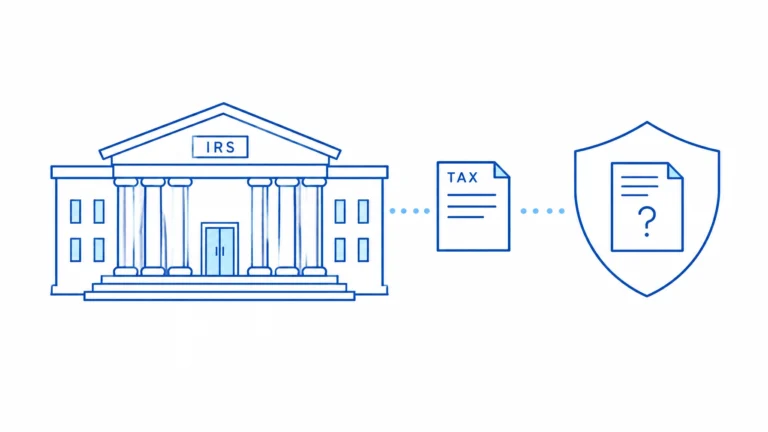
That distinction matters. Tax-related identity theft may involve a fraudulent return filed using someone’s Social Security number (SSN), an attempt to claim their refund, or income reported under their identity. These events may not create a new credit account or inquiry.
Why credit monitoring may miss tax-related activity
Credit monitoring generally checks for changes reported to credit bureaus, such as a new loan, a credit inquiry, or an account opened in a consumer’s name. A fraudulent tax return, refund claim, or wage record is an IRS-related event, not necessarily a credit-file event.
The U.S. Government Accountability Office has noted limitations in what identity theft services can detect and address. Its report is a useful reminder to assess each service by the information it actually monitors, rather than relying on broad labels such as “identity protection.” Read the GAO report on identity theft services.
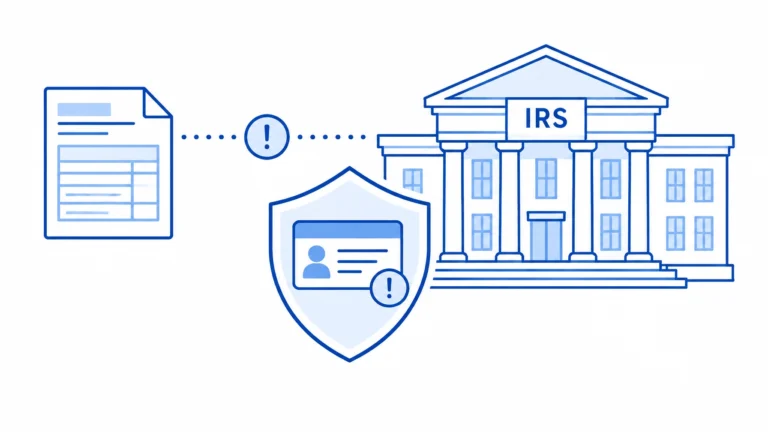
When tax identity misuse is discovered late, the taxpayer may need to respond to an IRS notice, resolve a rejected return, or clarify unfamiliar income records. The steps vary by situation, and an alert alone does not resolve the underlying issue.
Findings at a glance
- Credit-file alerts are not the same as alerts about IRS account activity.
- Tax-related warning signs can include an unfamiliar return, refund claim, or income record.
- “IRS monitoring” should be explained in concrete terms, including data sources and check frequency.
- Recovery support, alert delivery, privacy, and plan limitations are important comparison points.
- IRS tools and financial-account safeguards can complement a paid monitoring service.
What IRS-focused monitoring can include
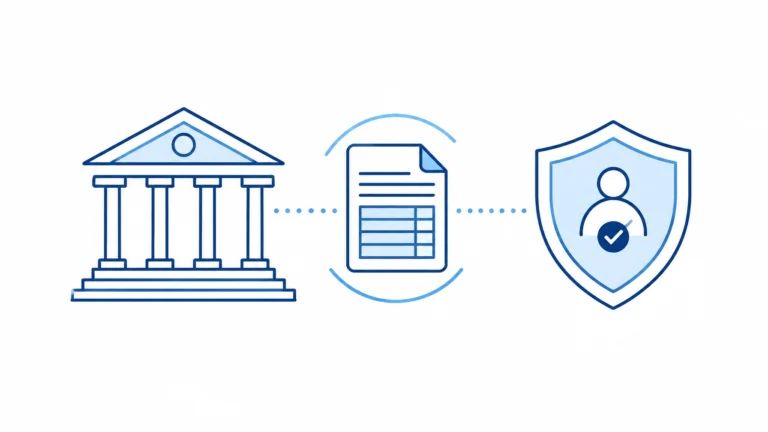
An IRS-focused service should explain which IRS-related records or activity it checks and how access is authorized. Tax transcripts are summaries of information on a tax return or account. Monitoring may involve reviewing transcript activity for signals such as unexpected filings, account changes, or unfamiliar wage and income information.
Not every provider has the same access or monitoring capabilities. A potential customer should ask whether monitoring is daily, what activity is covered, and what events are outside the service’s scope. Avoid assuming that “real-time” means every IRS action is detected immediately.
Some services also use AI-powered threat detection, meaning software analyzes activity for patterns that may warrant attention. Ask what kinds of patterns are reviewed, whether an alert is checked by a person, and what the customer should do when an alert arrives. An alert is a prompt to investigate, not proof that fraud occurred.
Finally, check how notifications arrive. Instant text or email alerts can help a customer learn about a signal promptly, but the provider should state what triggers an alert, what information it contains, and whether a response specialist is available.
A practical checklist for comparing services
Before purchasing, use these questions to evaluate the service and its terms:
-
What does the service monitor?
Look for a clear list of sources. Does it monitor credit reports, financial accounts, IRS-related records, public records, or some combination? A provider should define any tax-related monitoring rather than relying on a broad product label. -
How often are records checked?
Ask whether checks occur daily, periodically, or only after a particular event. Find out whether stated timing applies to every feature or only selected alerts. -
What tax-related events can trigger an alert?
Ask specifically about unfamiliar return activity, refund-related activity, account changes, or W-2 and 1099 income records. These forms report income to the IRS. Confirm which signals are actually included in the plan. -
How does the provider access the information?
Ask what authorization is required, how credentials and personal information are handled, and whether the company explains its data access process. Review the privacy policy and terms, including data retention, sharing, and account deletion procedures. -
What happens after an alert?
Check whether support includes trained identity restoration specialists, help understanding an IRS notice, or guidance on next steps. Ask about service hours, response times, and whether assistance is included in the plan or costs extra. -
What financial benefits are included, and what are the limits?
Refund replacement coverage, expense reimbursement, and audit defense are not the same as monitoring. Review eligibility, exclusions, claim requirements, coverage limits, and whether benefits apply to every household member. -
What is the total cost?
Compare regular pricing with introductory offers, annual billing, household coverage, automatic renewal, cancellation terms, and any add-on charges. A paid service may be worthwhile for its convenience or recovery support, but customers should compare those benefits with free IRS and financial-account tools.
Add IRS and account-level safeguards
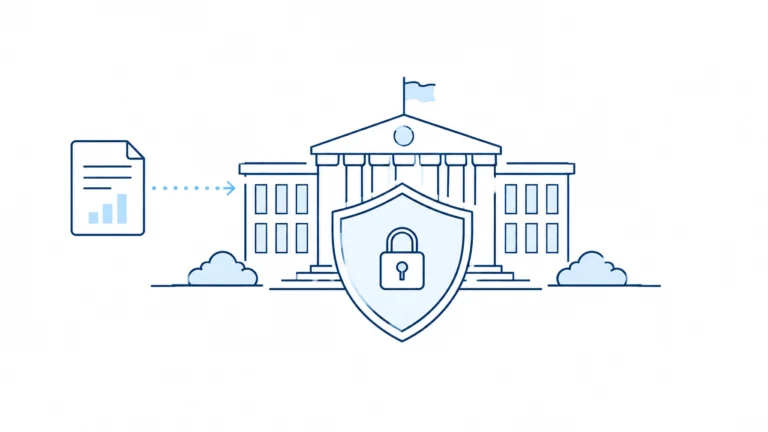
Paid identity theft protection services are only one part of a broader approach. Taxpayers can also create an IRS Online Account, use a strong unique password, and enable available account security features. An Identity Protection PIN (IP PIN) is a six-digit IRS number used to verify a person’s identity when filing a federal tax return. The IRS explains eligibility and enrollment on its IP PIN information page.
Other practical steps include enabling transaction alerts through banks and card issuers, reviewing account statements, and considering a credit freeze with each major credit bureau. These controls address different kinds of activity, so one does not replace the others. If an IRS notice or unfamiliar record appears, contact the IRS through contact details on IRS.gov rather than responding to an unsolicited message.
How to assess Tax Guardian
Tax Guardian is designed to complement traditional identity monitoring with a focus on IRS-related activity. The company describes its service as continuously monitoring IRS accounts for suspicious activity, with daily transcript monitoring and alerts by text or email available according to the selected plan. Its tax identity protection plans describe plan features, including identity restoration support and plan-dependent financial benefits.
For any provider, including Tax Guardian, customers should review the applicable plan terms and ask how monitoring works, which alerts are included, and what support is available for their situation. Tax Guardian’s privacy policy is also available for review. The right choice depends on the taxpayer’s priorities, the specific features offered, and the terms that apply.
Choose coverage by the records you need to watch
A useful service comparison starts with the threat, not the marketing label. Credit monitoring and IRS-focused monitoring address different kinds of records, so taxpayers comparing identity theft protection services should confirm exactly what is monitored, how alerts work, and what assistance follows. Pair any paid service with IRS account safeguards and financial-account alerts, then select coverage based on clear features and written terms.
Frequently Asked Questions
Can credit monitoring alert someone to a fraudulent tax return?
Not necessarily. Credit monitoring generally focuses on activity reported to credit bureaus. A tax return filed under another person’s SSN may not create a credit-file change, so taxpayers should verify whether a service explicitly monitors IRS-related activity.
What does IRS transcript monitoring mean?
It generally refers to checking tax transcript or account information for activity that may be unfamiliar. Ask a provider which records it checks, how often it checks them, and which events can trigger a notification.
Is an IRS Identity Protection PIN the same as a monitoring service?
No. An IP PIN is a six-digit number the IRS uses to verify identity when a federal return is filed. A monitoring service may send alerts and offer support, depending on its features and terms. They serve different functions.
What should someone do after receiving an alert about possible tax identity misuse?
Do not assume the alert confirms fraud. Review the details through the service’s official channels, secure relevant accounts, and verify IRS activity using IRS.gov or contact information from an official IRS notice. If needed, contact the IRS and seek qualified tax or identity-restoration assistance.
IRS resource: Get an Identity Protection PIN
Disclaimer: This article is for informational purposes only and is not legal, tax, or financial advice. Service features and coverage terms may change. Review current provider terms and consult a qualified professional regarding individual circumstances.
© 2026 Tax Guardian. All rights reserved.